
A key insight has emerged from recent media discussions this week on platforms such as TikTok and Instagram regarding the extent of Arsenal’s influence on attendance growth in the Women’s Super League (WSL).
Reports suggest the club accounts for around 41% of this increase, underlining its role as a major driver of audience expansion.
This growth can largely be attributed to Arsenal’s strong marketing strategy, clearly defined brand identity, and highly effective digital presence.
Central to this success is the club’s “one club” model, which integrates the women’s team into the wider organisational structure. This approach allows the women’s side to benefit directly from the men’s team’s global reach and established fanbase.
The unified identity is further reinforced through commercial activity, including merchandise campaigns that feature both teams and promote a cohesive brand image.
Matchday also plays a crucial role in this growth. Hosting fixtures at the Emirates Stadium enhances both accessibility and overall fan experience when compared to smaller venues such as Meadow Park.
Over the last few years, tickets to games at Meadow Park became practically impossible to get. The desire to see the team play had vastly eclipsed the amount of people able to get into the grounds, and the only way to sate something like that was to make the move to the Emirates,
This not only has more transport links (Meadow Park has the bus and a single train station; but several tube lines, buses, overground and train stations within walking distance), to add to a far larger capacity stadium.
Arsenal sold over three times the capacity of Meadow Park (4,500) in Season Ticket sales (15,000) this year alone. You simply have to host somewhere fitting of that.
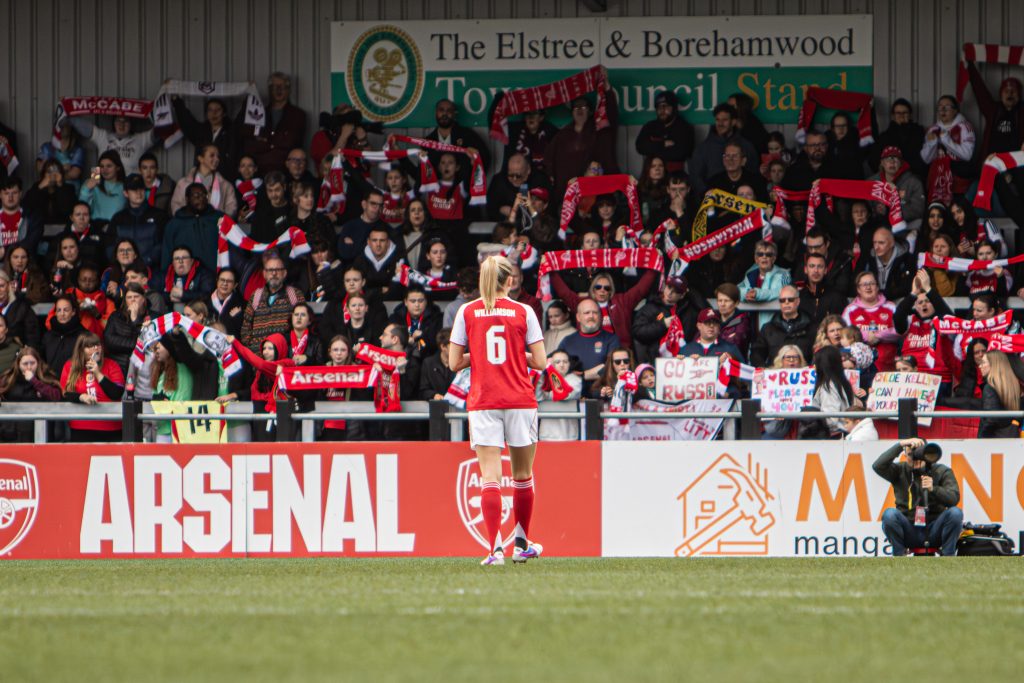
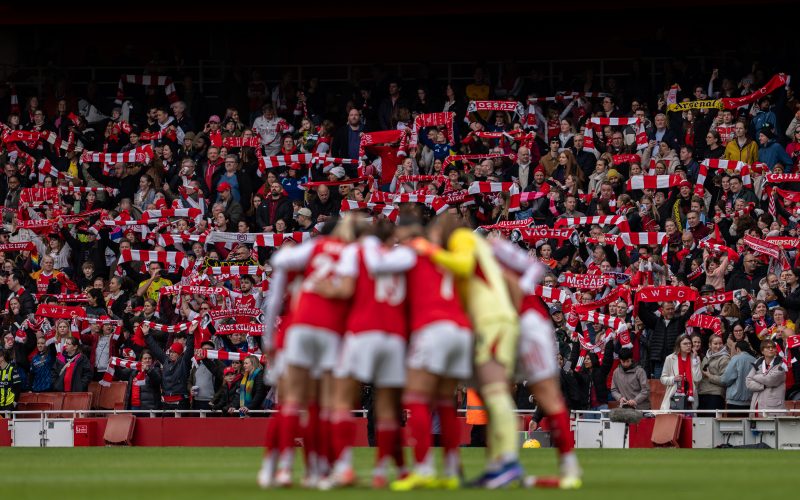
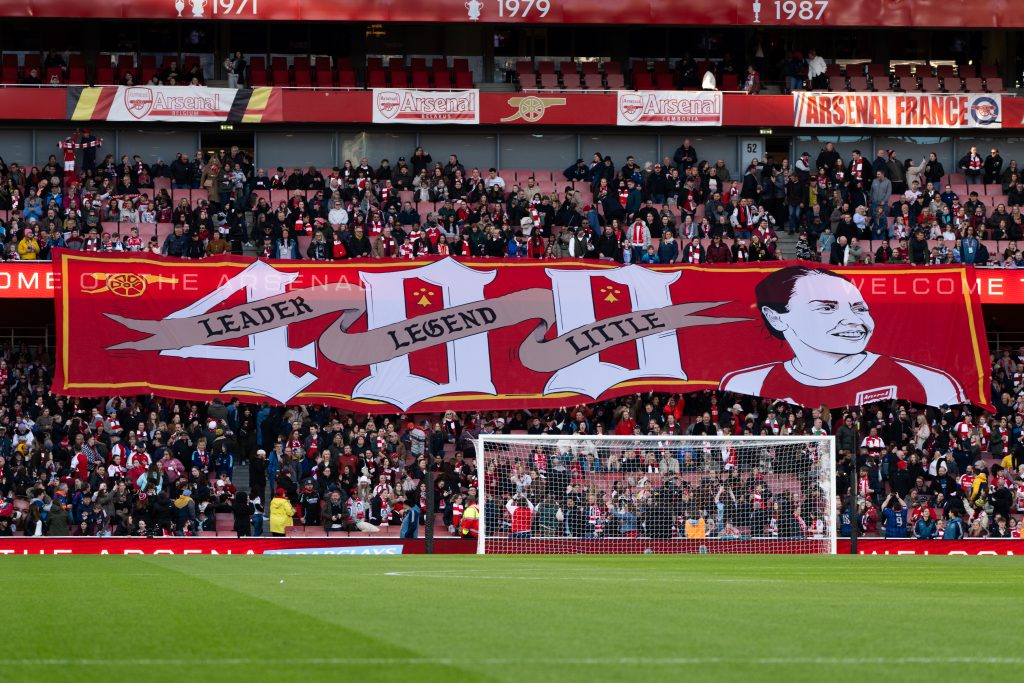
In addition, Arsenal’s average attendance sat around 33,000 people, with some attendances as high as 55,000. That’s 12.2 Meadow Parks!
The stadium’s central location, combined with its superior facilities, makes attending matches more appealing, particularly for families.
Pre-game traditions for bigger matches continued from Borehamwood to The Emirates. Fan-organised events at local bars happen before every game, and on the biggest fixtures, and with local police approval for safety, fan marches are now larger than ever.
The walk to Borehamwood was a slightly convoluted experience – you’d leave the pub, turn left and walk to a roundabout, where a large portion of people would have to cross the road over the next twenty or so minutes.
It was disruptive and difficult to really maintain momentum. Now, the roads get closed off. There’s a group stopping in the tunnels where voices echo around, and fans of the opposition come to see what all the noise is about.
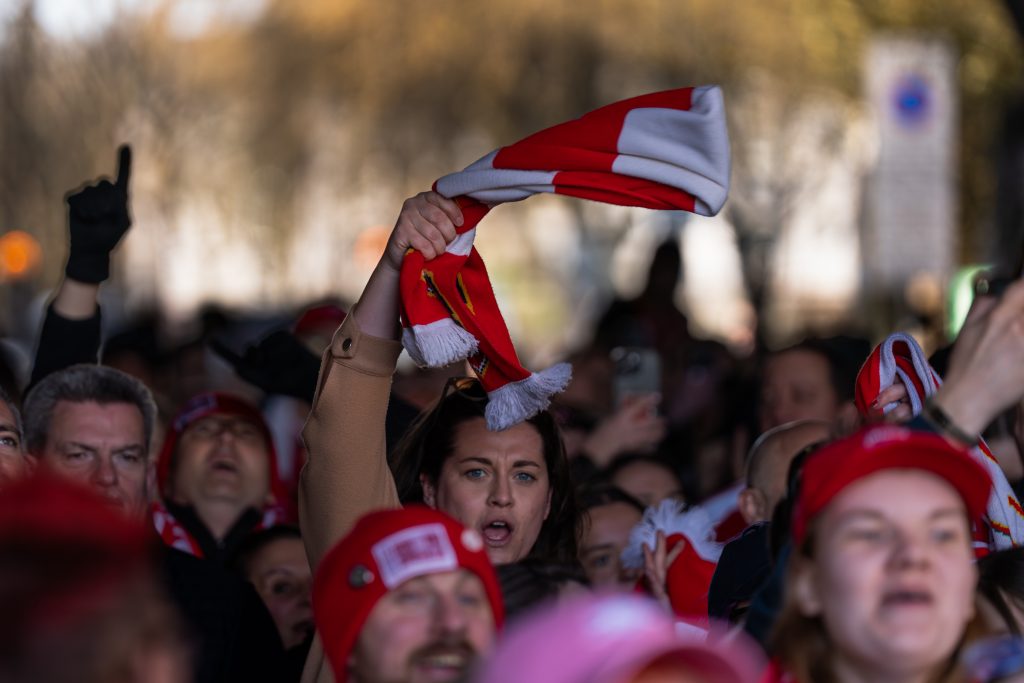
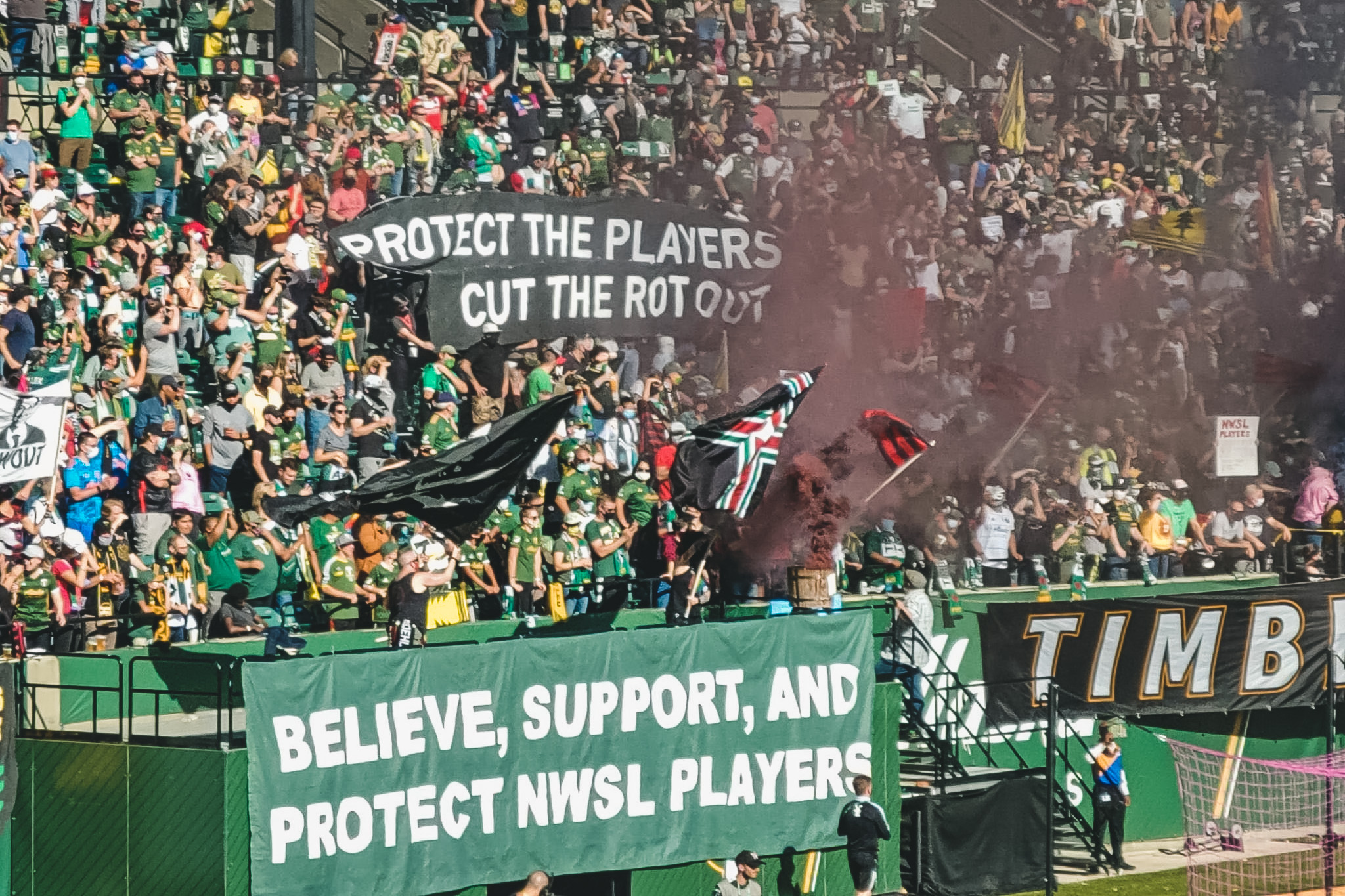
There’s a lot more preparation through song chants, flags, scarves, signage about the players and special moments (thank you for re-signing, Kim Little. Get well soon, Kyra’s mum etc.) and it’s so much more inclusive because the pubs are bigger, the walk is safer, and it is all governed.
It’s across straight, flat land. It’s direct. It has obvious start and end points. This all builds into one much more attractive experience that everyone wants to be part of.
This demonstrates how infrastructure can significantly influence fan engagement and attendance in modern sport.
In addition to this, Arsenal effectively leverages rivalry-based marketing, most notably around the North London derby.
The club builds anticipation through targeted social media campaigns before ticket releases, creating a sense of urgency and emotional investment among supporters. This strategy highlights the growing importance of storytelling and rivalry in sports marketing areas that many other WSL clubs have yet to fully capitalise on.
Finally, the presence of high-profile players such as Leah Williamson further strengthens Arsenal’s brand.
The Lionesses have become part of the sporting mainstream, with many of their players now recognised well beyond football circles. For newcomers to the game without established allegiances, that visibility can make clubs such as Arsenal a natural team to support.
After all, it’s far from a given that fans will follow their men’s club into the women’s game, allowing successful women’s teams to attract supporters in their own right.
As both a lifelong supporter of the club and captain of England, she embodies a strong emotional connection with fans while enhancing credibility on and off the pitch.
This illustrates the power of player branding in driving engagement and reinforces Arsenal’s position as one of the most visible and influential teams in women’s football.