

The 2027 Women’s World Cup should be one of the defining moments in the continued rise of women’s football.
Instead, less than a year before Brazil welcomes the world’s best teams, the tournament could find itself caught in the middle of a major power struggle between football’s governing bodies.
UEFA and all 55 of its member associations have voted to boycott FIFA competitions in opposition to plans to sell a 20 per cent stake in a new FIFA commercial entity to external investors.
That decision could have consequences far beyond the boardrooms of European football.
If the boycott is ultimately enforced, the prospect of European nations missing the 2027 Women’s World Cup would fundamentally change the tournament and potentially deprive the women’s game of the global showcase it deserves.
This is a situation that needs resolving quickly.
The Women’s World Cup Should Not Be The Battleground
FIFA’s proposal centres on the creation of FIFA Forward Enterprise (FFE), a FIFA-controlled subsidiary that would bring together the organisation’s commercial and tournament operations.
FIFA says the plan could raise up to $4.2 billion through minority, non-controlling investment and increase funding available to its 211 member associations, including funding for the women’s game.
But UEFA and its 55 associations have rejected the proposal, arguing that the World Cup should not be treated as an investment product. Now they have taken the extraordinary step of threatening to boycott FIFA competitions. That is where this becomes particularly uncomfortable for women’s football because the Women’s World Cup is a FIFA competition.
If UEFA’s position holds, the consequences could reach Brazil and nobody should underestimate what that would mean.
Imagine Brazil Without Europe’s Biggest Nations
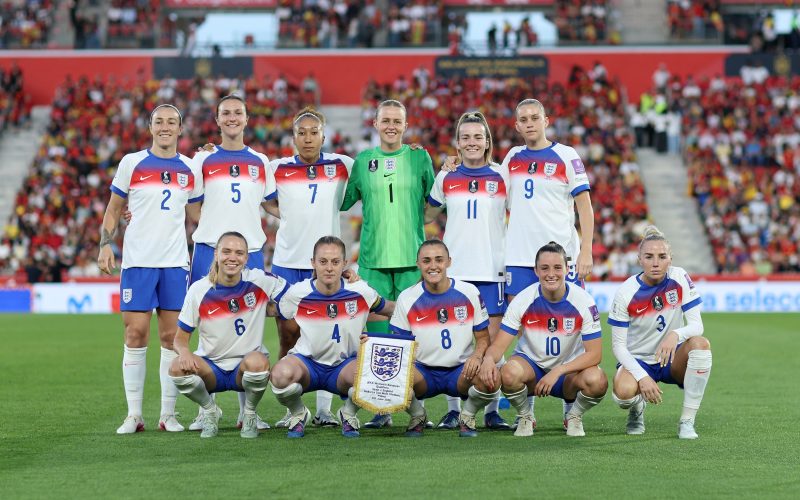
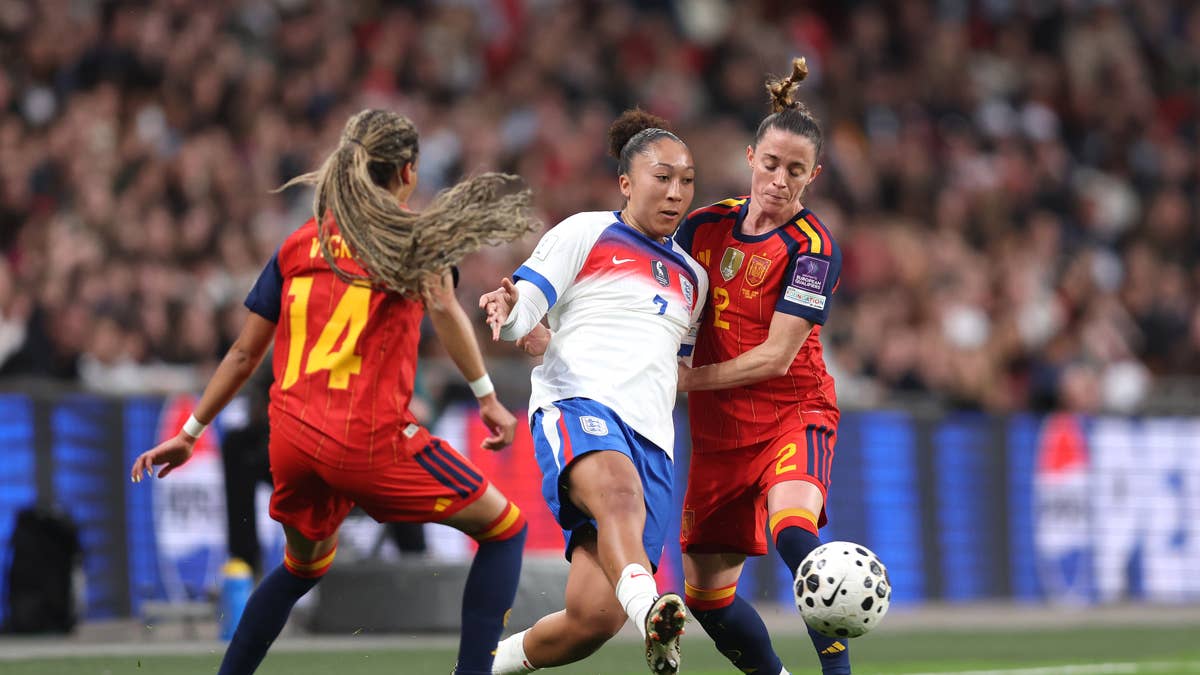
England, Spain, Germany, France and Sweden are among the teams who could potentially be caught up in the fallout. These are not just five countries, they are some of the biggest names in women’s international football.
England are the reigning European champions. Spain are the reigning world champions. Germany remain one of the most successful nations in the history of the women’s game, while France and Sweden have consistently competed at the highest level.
Take those nations away and you do not simply lose a handful of fixtures; you change the entire complexion of the World Cup.
The players are the attraction. The rivalries are the attraction. The opportunity to see the best nations compete against each other is what makes a World Cup special.
Remove some of those teams and the tournament is weaker before it has even started and that is the last thing women’s football needs.
A Tournament Built On Years of Progress
There has been an enormous amount of progress in women’s football since the last World Cup. The sport has continued to attract larger audiences, bigger crowds and greater commercial interest.
FIFA has also secured what it described as unprecedented European broadcast coverage for the 2027 tournament, with free-to-air access agreed in more than 40 territories.
That matters because Brazil 2027 is not just another tournament.
It will be the first Women’s World Cup staged in South America and is supposed to represent another significant step in the global growth of the women’s game.
A 32-team tournament featuring the world’s best players should be a celebration of that progress.
Instead, the possibility of a European boycott means the tournament’s strength could be compromised before a ball is kicked.
That would be incredibly frustrating.
The Players Are The Ones Caught in the Middle
There is a fundamental unfairness to all of this: the players have no say in FIFA’s proposed commercial structure. They did not decide whether FIFA Forward Enterprise should be created. They did not decide to sell a stake in its commercial operations. They did not vote for a boycott yet they could ultimately be the ones who miss out.
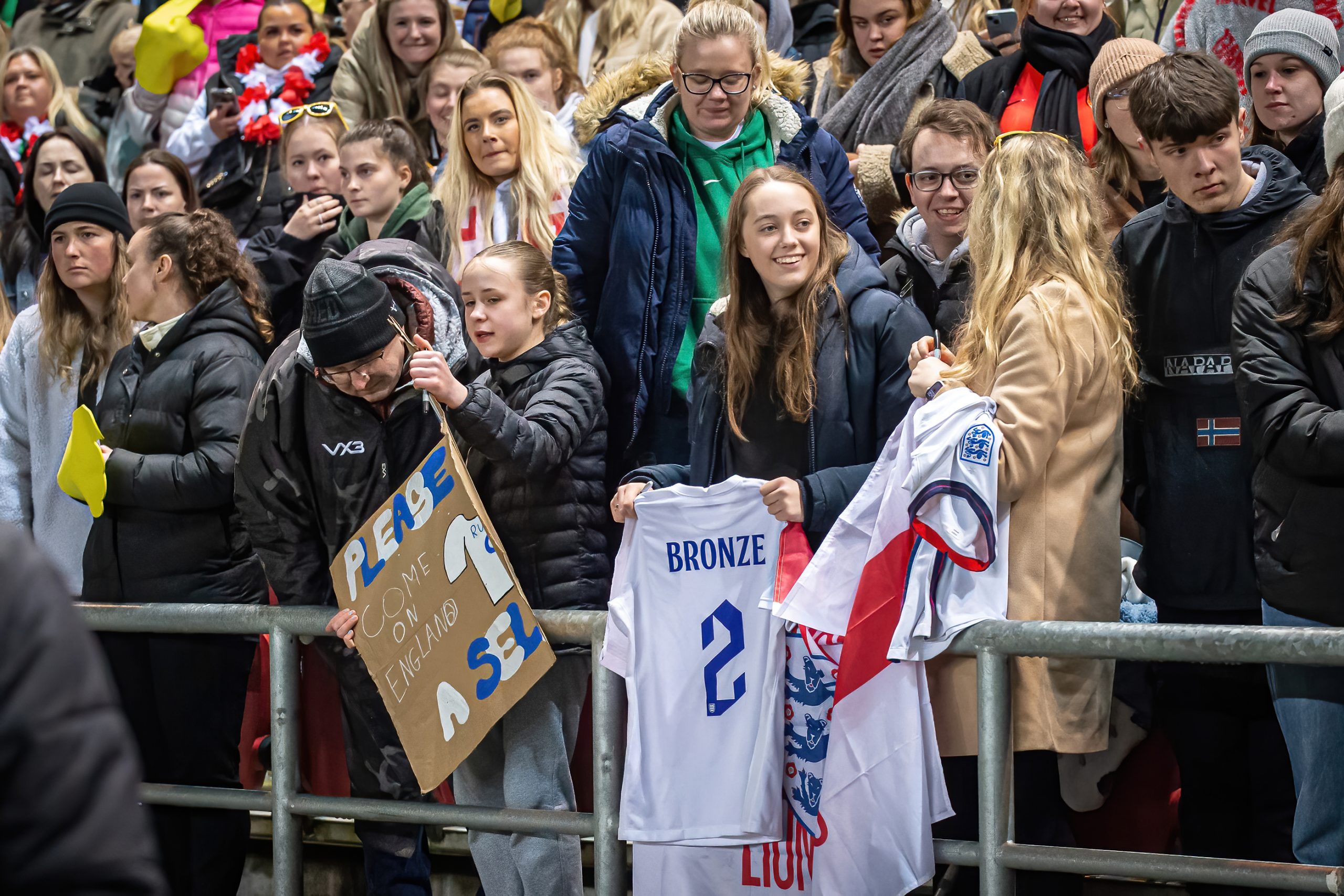
For some players, Brazil 2027 could be their first and only opportunity to play at a World Cup. You cannot give that opportunity back.
A player should not have to spend four years preparing for the biggest tournament of their career only to discover that a dispute between football’s governing bodies has taken it away and supporters should not have to watch a World Cup without some of the biggest nations in the sport because those organisations could not reach an agreement.
An Uncomfortable Irony
FIFA’s own proposal says increased commercial income would help fund football development around the world, including the women’s game. That makes the current situation particularly ironic.
The argument is, in part, about creating more money for football’s development, yet the fallout could potentially damage one of the biggest platforms women’s football has.
There is a perfectly legitimate debate to be had about FIFA’s commercial ambitions. There should be questions about private investment, governance, transparency and how the money generated by the world’s biggest competitions is distributed.
Those questions should be asked but the answers cannot come at the expense of the players.
FIFA and UEFA Need to Find a Way Out
UEFA’s position is now clear. FIFA, meanwhile, insists that the proposed structure would remain under its control and that football governance, competitions and sporting decisions would not be handed to investors.
That leaves the two sides with an enormous responsibility. They need to talk and negotiate. They need to find a solution that prevents the 2027 Women’s World Cup from becoming collateral damage because this is not about protecting FIFA’s reputation or UEFA’s position; it is about protecting the tournament.
The players have earned the right to compete, the supporters have earned the right to watch them and women’s football has earned the right to have its biggest tournament judged by what happens on the pitch, not by a governance dispute happening behind closed doors.
Women’s Football Cannot Afford Another Step Backwards
There is a danger that the women’s game becomes an afterthought in all of this and that cannot happen.
When the world’s governing bodies are fighting over commercial rights, it is easy for the consequences for women’s football to be treated as a secondary issue.
A weakened Women’s World Cup would have sporting, commercial and reputational consequences.
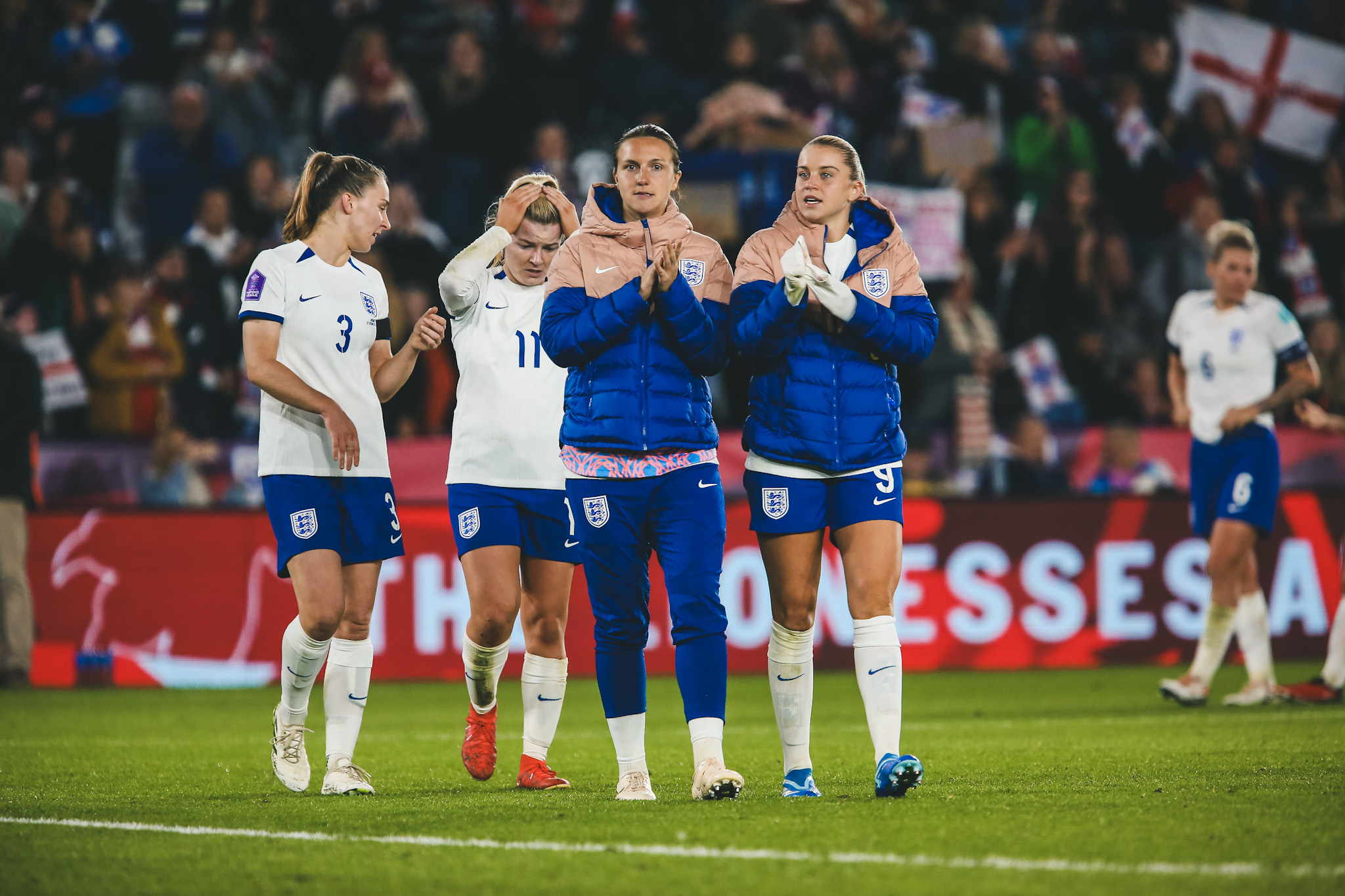
It would deny players the chance to compete on the biggest stage. It would deprive supporters of some of the most anticipated matches in international football and it would undermine the momentum that women’s football has spent years building.
Nobody should want that. Not FIFA. Not UEFA. Not the national associations and certainly not the players.
The 2027 Women’s World Cup should be about England, Spain, Germany, France, Sweden and the rest of the world’s best nations battling for glory in Brazil.
It should be about new stars emerging, established stars creating history and a global audience watching women’s football continue to grow.
It should not be remembered as the World Cup that was weakened by a fight over who controls football’s commercial future.
FIFA and UEFA still have time to prevent that with more federations having now offered their support.