
The release of The FA’s Women’s Football Pyramid allocations for the 2026/27 season has brought the usual headlines surrounding promotion and relegation.
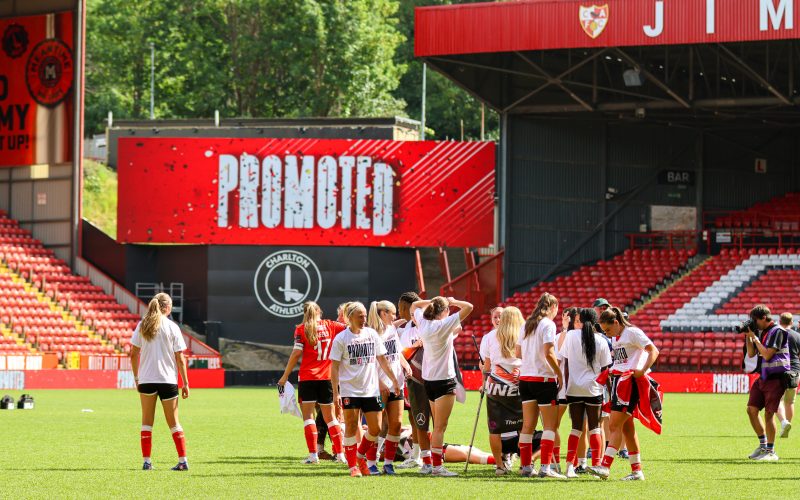
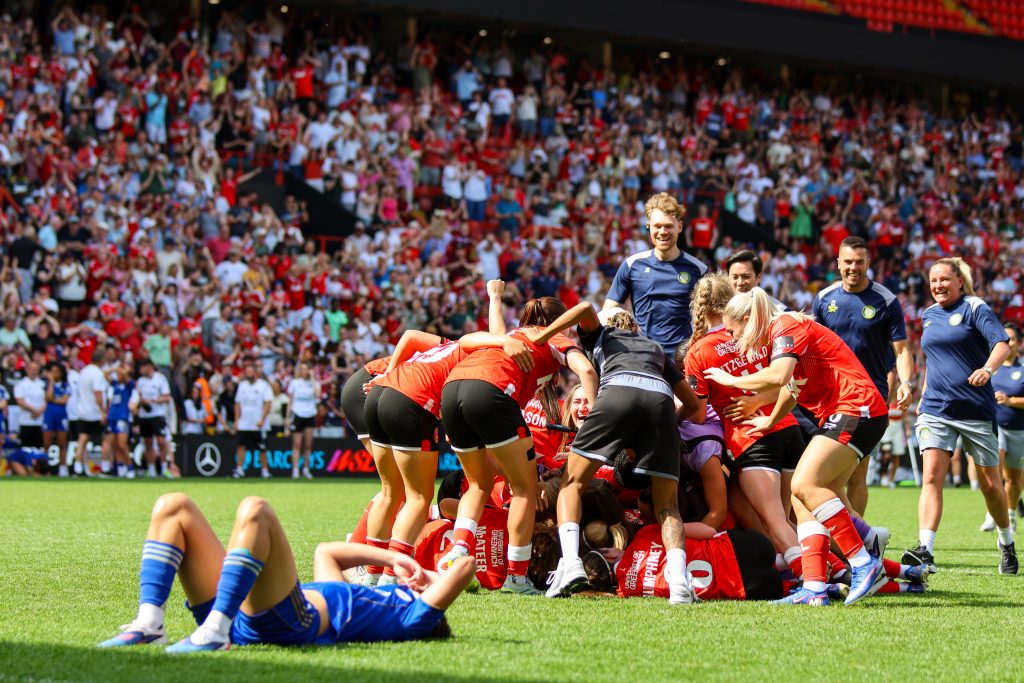
Birmingham City, Charlton Athletic and Crystal Palace have secured places in the Barclays Women’s Super League, while clubs across the National League structure have discovered where they will compete next season.
However, the allocations reveal a much bigger story than simply who has gone up and who has gone down.
Behind every promotion and relegation sits a complex geographical balancing exercise that can dramatically alter the landscape of the women’s game. For clubs throughout the FA Women’s National League, allocation decisions can affect travel commitments, finances, rivalries, player welfare and even promotion prospects.
The annual allocation process remains one of the most important, yet least understood, elements of the women’s football pyramid.
New Faces at the Top
The most eye-catching changes come in the Barclays Women’s Super League, where Birmingham City, Charlton Athletic and Crystal Palace have all secured promotion.
For Birmingham City, the return to the top flight represents a significant milestone in the club’s recovery and ambition to re-establish itself among the elite of the women’s game.
Charlton Athletic’s promotion is a reward for sustained progress and long-term development, while Crystal Palace continue an impressive rise that reflects growing investment in women’s football among Premier League clubs.
Moving in the opposite direction are Leicester City, whose relegation into WSL2 raises questions about the club’s next steps and whether it can mount an immediate challenge to return to the top tier.
WSL2 will also welcome Burnley, Watford and Wolverhampton Wanderers, all of whom continue their upward trajectories and highlight the increasing competitiveness and depth within the women’s football pyramid.
Historic Names and Ambitious Projects
Further down the pyramid, several clubs stand out as significant stories heading into the new campaign.
Norwich City and Peterborough United join the FA Women’s National League Northern Premier Division after successful promotion campaigns, bringing strong supporter bases and growing ambitions. Huddersfield Town and Boldmere St Michaels also enter the division, adding further strength to an increasingly competitive northern section.
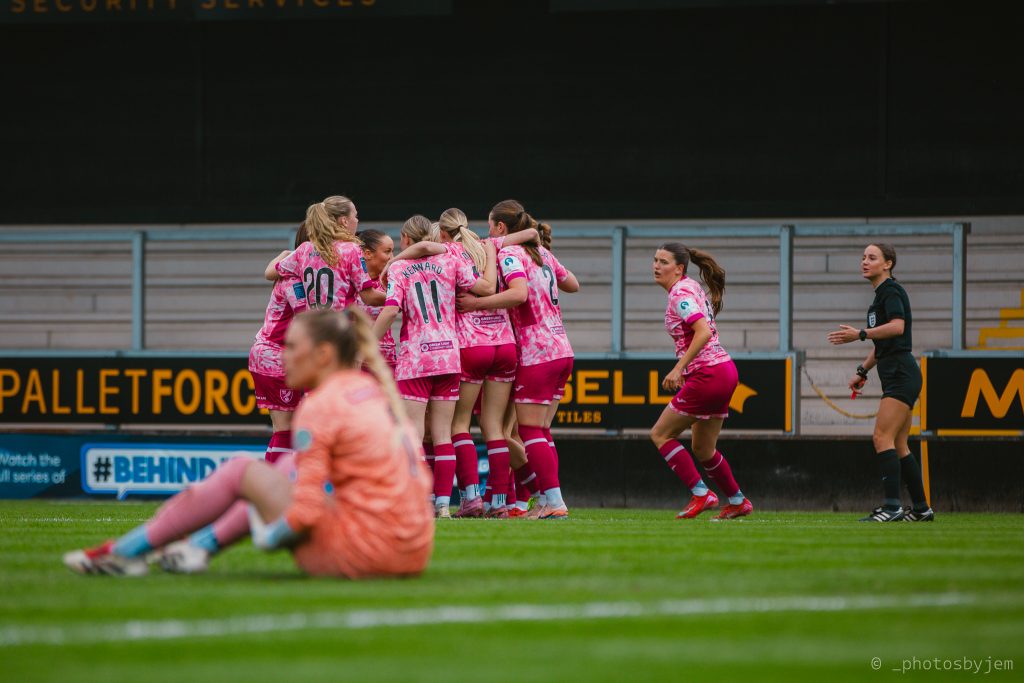
In the Southern Premier Division, Fulham’s promotion is among the standout stories of the summer. As one of the most recognisable names in English football, the club’s continued rise through the women’s pyramid is likely to attract significant attention throughout the season. Swindon Town also take their place in the division following promotion.
At the same time, Portsmouth’s relegation to the Southern Premier Division from WSL2 represents one of the most notable setbacks within the allocations and could have wider implications across the National League structure.
The Story Behind the Allocations
While promotions and relegations dominate headlines, they only tell part of the story.
Every summer, the FA must ensure that divisions remain balanced both numerically and geographically. Once clubs have moved up and down the pyramid, the resulting structure rarely divides perfectly into northern and southern sections.
As a result, the FA must determine which clubs are most suitably placed geographically to ensure divisions remain balanced.
This often creates consequences that extend far beyond the clubs directly involved in promotion or relegation battles.
A club’s location can become just as important as its league position.
Rugby Borough: A Recent Example of the Domino Effect
One of the clearest examples of this process came with Rugby Borough.
Despite establishing themselves in the Southern Premier Division, Rugby Borough found themselves moved into the Northern Premier Division due to the wider balancing requirements of the pyramid.
The move was not the result of relegation. Nor was it a reward for promotion. Instead, it was an administrative decision based on geography.
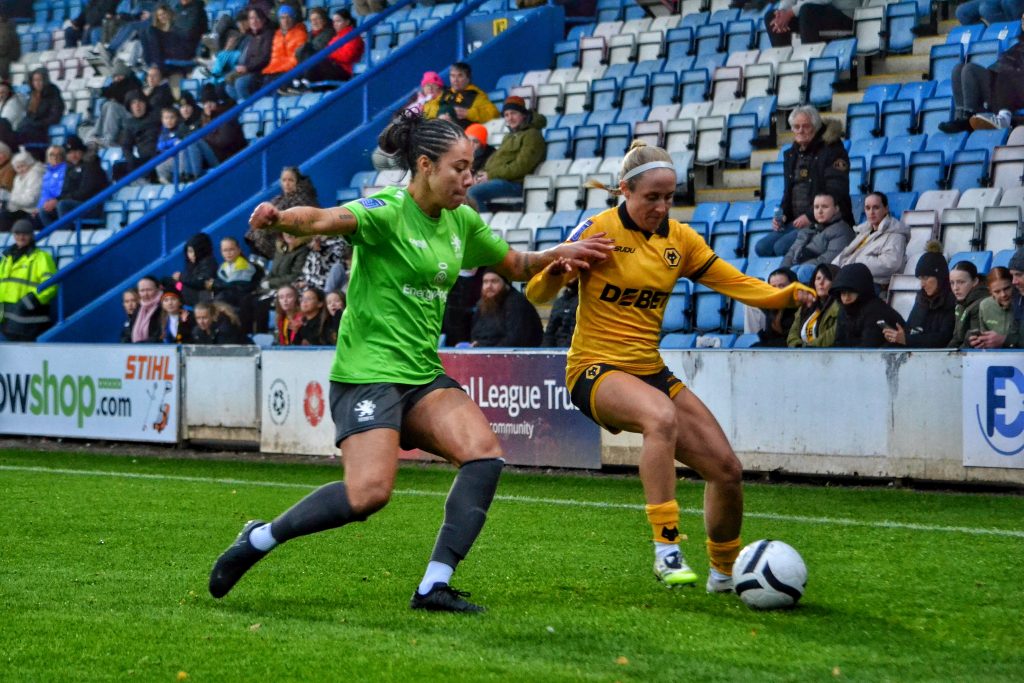
The club suddenly faced a different set of opponents, new travel requirements and an entirely different competitive landscape. Supporters were presented with unfamiliar away trips, while the club had to adapt to a new division despite remaining at the same level of the pyramid.
It demonstrated how one club’s movement elsewhere in the structure can create a chain reaction affecting teams hundreds of miles away.
Portsmouth’s Relegation Could Create Further Changes
The 2026/27 allocations may produce similar consequences.
As a southern club, Portsmouth’s relegation feeds into the southern side of the pyramid. While that movement may appear straightforward, it has the potential to influence how other clubs are allocated across the wider structure.
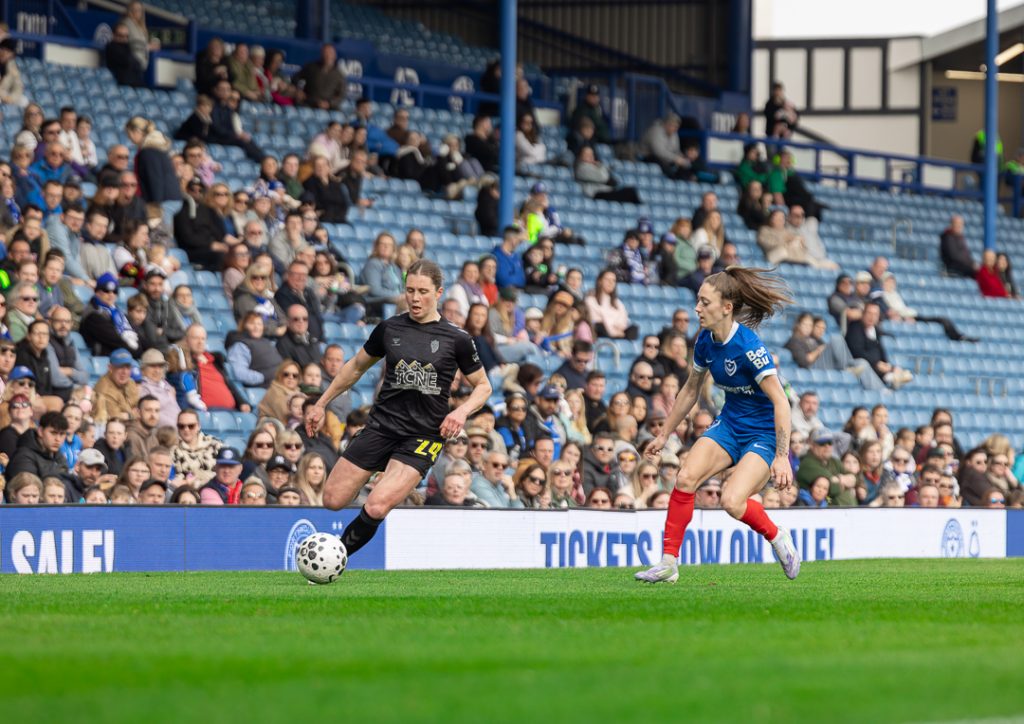
When additional southern clubs enter the system, the balance between northern and southern divisions can shift. If numbers become uneven, clubs situated near the geographical dividing line may become candidates for relocation between divisions.
This is often where some of the most significant allocation decisions are made.
For affected clubs, these decisions can reshape an entire season before a ball has even been kicked.
Wythenshawe and the Reality of Geographical Balancing
Wythenshawe’s allocation provides a current example of the process in action.
The club has not been promoted or relegated. Instead, it has been moved laterally into Division One Midlands as part of the annual balancing exercise.
On paper, the change may appear minor. In reality, it means different opponents, altered travel routes, new rivalries and a different competitive environment. If not managed well, this can place additional pressure on a club’s finite budget. The club quickly announcing that they will appeal the decision.
The move serves as a reminder that allocation decisions are often driven by wider structural considerations rather than sporting performance alone.
Blackburn Rovers’ Reprieve
Another notable story within the allocations is Blackburn Rovers’ reprieve in Division One North.
The club remains at its current level despite previously facing relegation, highlighting how vacancies and structural adjustments can occasionally alter outcomes.
While such decisions are often necessary to maintain the integrity of the league system, they also underline the complexity involved in constructing a balanced national pyramid.
The Financial Reality for National League Clubs
The consequences of allocation decisions extend beyond football.
Unlike fully professional clubs operating in the Women’s Super League, many National League sides continue to function with limited resources and rely heavily on volunteers, part-time staff and players balancing football alongside employment or education.
A divisional move can significantly affect operating costs.
Longer away journeys can increase transport expenses, create additional logistical challenges and place greater demands on players and staff. Some clubs may face more overnight stays, while others lose convenient local fixtures that previously helped reduce travel expenditure.
In an environment where budgets remain tight, these changes can have a substantial impact.
Rivalries Lost, Rivalries Created
One of the less visible consequences of allocations is their effect on rivalries.
Portsmouth have lost their biggest fixture of the season against Southampton FC. However, they will now have the Dockyard Derby against Plymouth Argyle to look forward to, stemming from the fact that both Portsmouth and Plymouth are major Royal Navy dockyard cities.
Many Wolves supporters will be hoping to draw West Bromwich Albion in one of the cup competitions and will no doubt remind Baggies fans of their promotion.
At the same time, new regional battles emerge, creating fresh narratives and opportunities for clubs to develop new competitive relationships.
Bradford City, Leeds United and Halifax Town provide six local derby fixtures that should help generate strong attendances throughout the season.

Wycombe Wanderers, newly promoted to Division One South West, will enjoy a relatively short trip to Maidenhead United. This fixture has the potential to develop into a long-term local rivalry as Wanderers seek to establish themselves in the division.
A Pyramid in Constant Evolution
The growing presence of clubs affiliated with Premier League and EFL organisations highlights the increasing investment flowing into the women’s game.
Yet amid the celebrations of promotion and the disappointment of relegation, the allocation process remains a defining feature of the football pyramid.
For many clubs, where they play can be almost as important as the division in which they play.
The annual balancing exercise may not generate the same headlines as promotion and relegation, but its impact is felt throughout the game. From travel budgets and supporter journeys to rivalries and promotion ambitions, the FA’s allocation decisions continue to shape the reality of women’s football across England.
To find the full constitution lists here.