

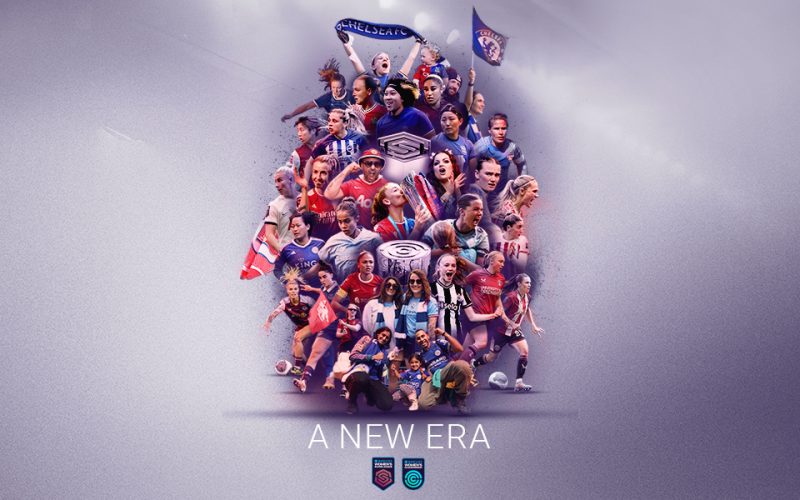
The Women’s Super League (WSL) is undergoing a rapid transformation. Once seen as a developing competition, it is now becoming a commercially viable and globally recognised product.
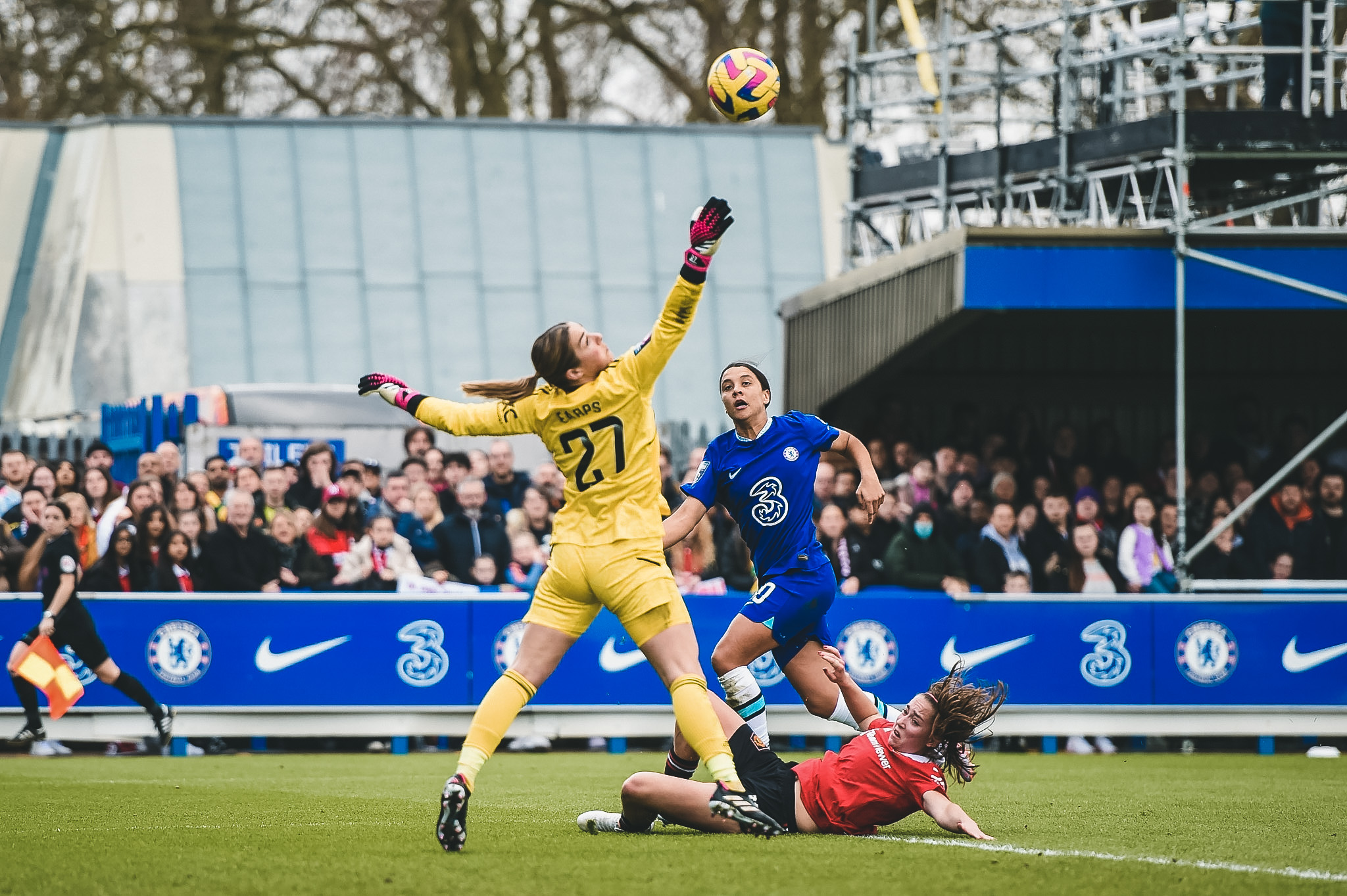
The intense rivalry between Chelsea and Manchester City reflects this shift. Title races are no longer predictable, and the league is gaining attention for both its competitiveness and commercial growth.
Independent Governance and League Reform
A major turning point has been the creation of Women’s Professional Leagues Limited (WPLL). Control has moved away from The Football Association to a more independent structure.
This change signals a move towards business-focused management. The aim is to increase revenue, attract investors, and build a sustainable league model.
The rebranding of the league’s top tiers also supports this strategy. It helps modernise the competition and strengthens its global identity.
Rising Competition and Title Intensity
Competition at the top of the WSL has become more intense. The 2023-24 title race between Chelsea and Manchester City was decided by goal difference.
This shows how small the margins now are. Matches carry greater importance, and every point matters.
Managerial pressure has also increased. The departure of Emma Hayes highlights how demanding the environment has become. Success is now closely linked in both performance and financial outcomes.
Financial Growth and Inequality
The financial growth of women’s football has been significant. During the 2024-2025 season, the top 15 clubs generated over €158 million in revenue.
Commercial income is the main driver. It accounts for around 72% of total earnings, showing the importance of sponsorships and brand partnerships.
However, this growth is uneven. A small group of clubs dominates financially and competitively. Teams such as Arsenal Women, Chelsea, and Barcelona lead the way.
This creates a “top-heavy” league structure. While it improves global visibility, it also makes it harder for smaller clubs to compete.
Global Difference in Competitive Balance
Competitive balance varies across leagues.
In the United States, the NWSL offers a more equal structure. Rules such as salary caps help distribute talent more evenly. This has allowed teams like Orlando Pride to emerge as title contenders.
In contrast, European leagues are often less balanced. Clubs such as FC Barcelona Femení and Olympique Lyonnais Féminin have historically dominated due to greater resources.
The WSL sits between these models. It is becoming more competitive, but financial gaps still exist.
Digital Growth and Changing Audiences
The WSL is also evolving digitally. While traditional TV audiences have decided slightly, online engagement has grown rapidly.
Platforms like YouTube and TikTok are attracting new fans. The league is now one of the most viewed women’s sports competitions online.
This shift reflects changing viewing habits. Younger audiences prefer short-form and accessible content.
Transfer Market Expansion
The transfer market in women’s football is changing quickly.
Record-breaking fees are becoming more common. Players such as Racheal Kundananji have set new benchmarks for transfer value.
International transfers have also increased significantly. More clubs are now willing to pay fees rather than rely on free transfers.
However, spending remains concentrated in leagues like the WSL and NWSL. This reinforces their dominance in the global game.
Player Pathways: Stability vs Mobility
Player career paths are becoming more complex.
Research shows that “atypical” pathways, involving frequent transfers, can help players reach elite levels faster. Moving between clubs allow access to better coaching and facilities.
At the same time, stability remains important. Consistent training environments help reduce injury risk and support long-term development.
Younger players often benefit from mobility. More experienced players tend to rely on stability to maintain performance.
Future Challenges and Developments
Several factors will shape the future of women’s football.
Changes to the UEFA Women’s Champions League will introduce a league-phase format from 2025-2026. This could increase competition at the top level.
Player welfare is another concern. Studies show a gap between overworked elite players and underutilised players in lower tiers.
Financial sustainability also remains uncertain. Not all clubs can afford the costs of full professionalisation.
A Sport in Transition
Women’s football is moving from a developing sport to a mature commercial industry.
The WSL title race reflects this change. It shows both increased competition and the continued influence of financial power.
The challenge ahead is clear. The sport must balance rapid growth with fairness and long-term stability.