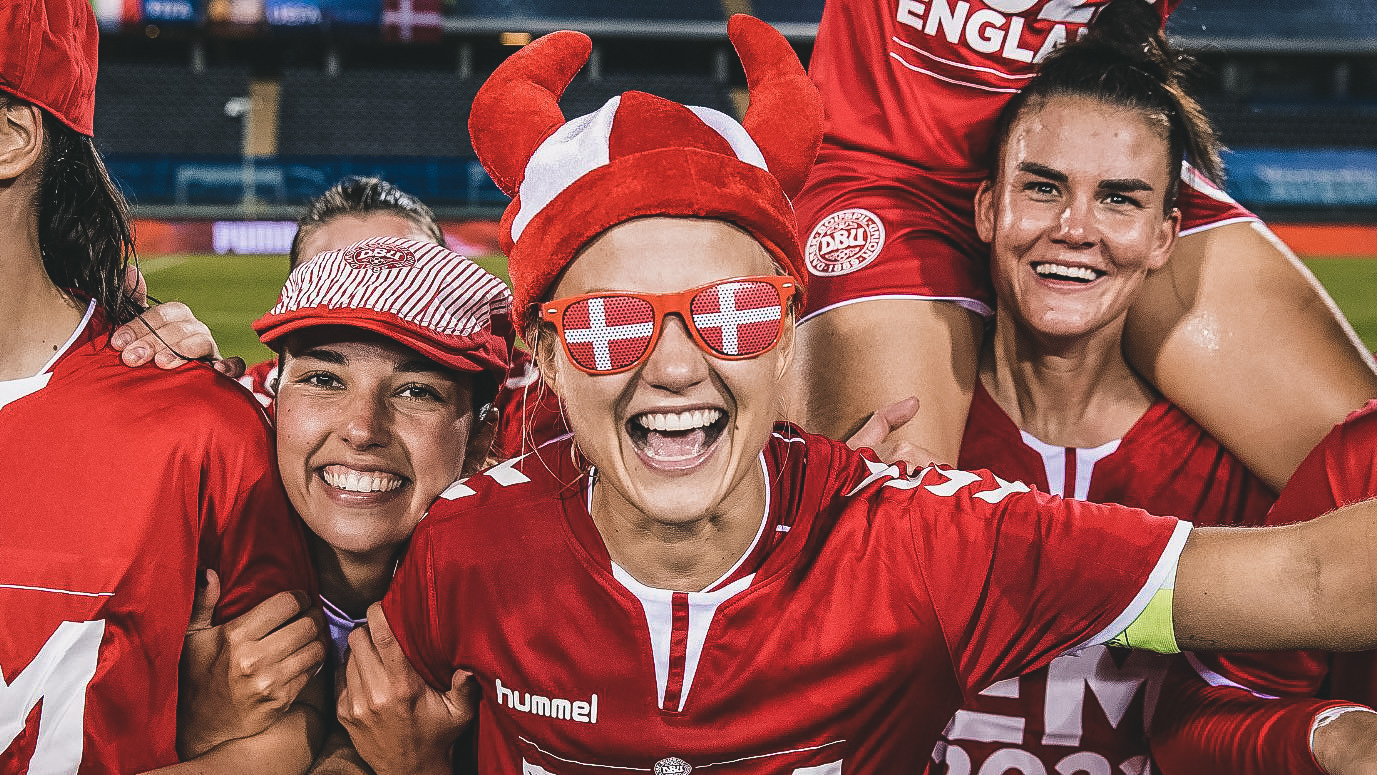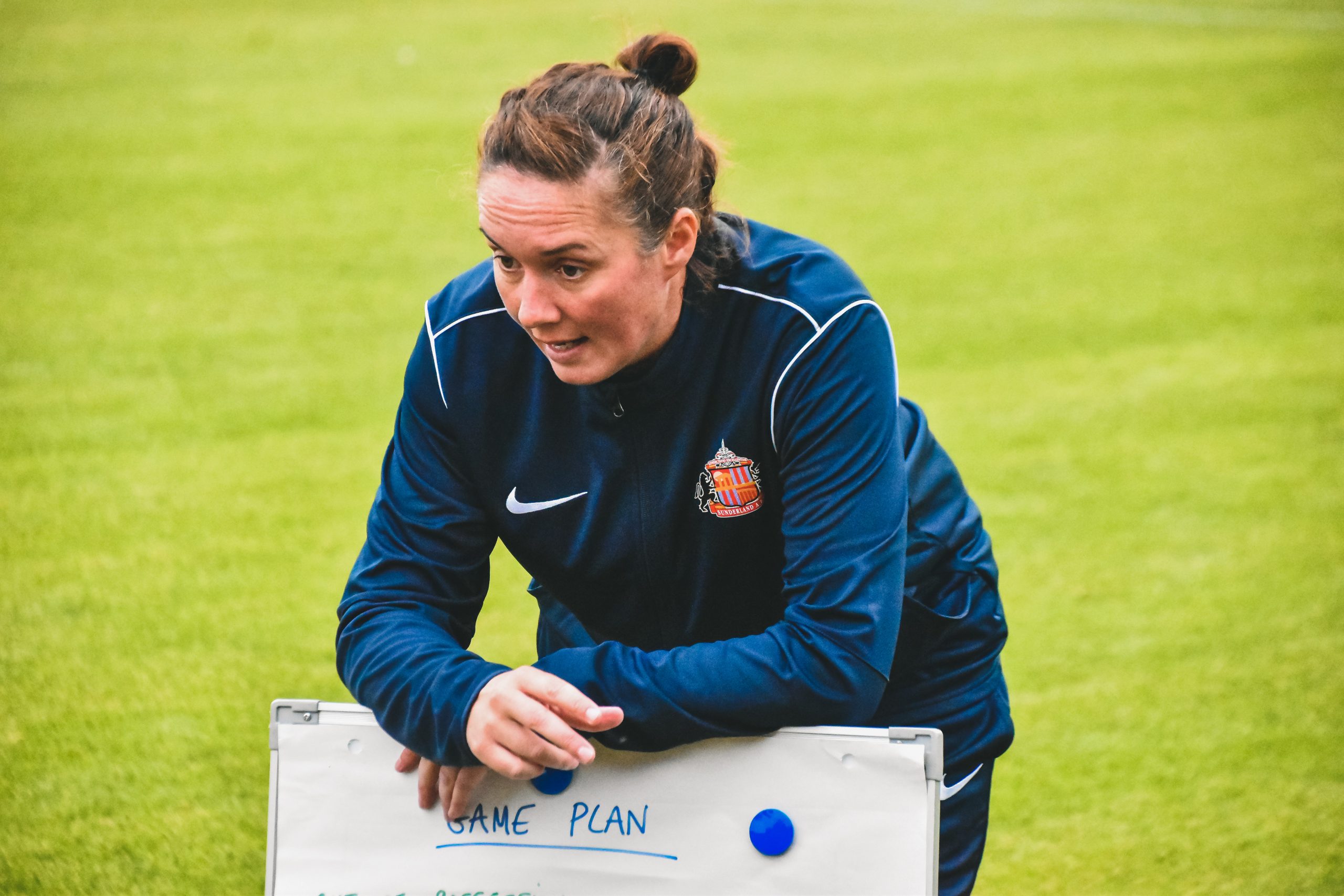

FIFA have taken a landmark step by introducing regulations requiring every team participating in its women’s football tournaments to include at least one female head coach or assistant.
The rules also mandated that at least one medical staff member and two officials on the team bench be female.
The measure was approved at the FIFA Council meeting on Thursday, 19 March, and is set to debut at the FIFA Under-20 Women’s World Cup in Poland in September 2026, followed by the FIFA U-17 Women’s World Cup and the FIFA Women’s Champions Cup, all scheduled for later that year.
Significantly, the regulations also applied to the biggest women’s sporting event on the planet, the FIFA Women’s World Cup, to be held in Brazil in 2027.
The move was part of FIFA’s long-term strategy to combine statutory advances with sustained investment in coaching development, including mentorship programmes, scholarships, and a Female Coach Educators’ Development Pathway.
FIFA’s Chief Football Officer, Jill Ellis, said: “There are simply not enough women in coaching today.”
We must do more to accelerate change by creating clearer pathways, expanding opportunities, and increasing the visibility for women on our sidelines.” She added:
“The new FIFA regulations, combined with targeted development programmes, mark an important investment in both the current and future generation of female coaches.”
Quick Stats: Women in Coaching
- 2023 Women’s World Cup: 12 of 32 head coaches were female
- Women’s Super League (2024/25 season): 4 of 12 clubs had female managers (2 English)
- UEFA Pro Licence Holders (England): 21 women
- FIFA Coaching Scholarships: 795 female coaches supported across 73 member associations since 2021
- FIFA Elite Performance Coach Mentorship Programme: Pairs 20 experienced high-performance coaches with emerging female coaches annually
- Mandatory Female Representation (FIFA 2026 regulations):
- At least 1 female head coach or assistant coach
- At least 1 female medical staff member
- At least 2 female officials on the bench
A Historically Overlooked Issue
Despite the rapid growth of women’s football, coaching positions had remained overwhelmingly male-dominated.
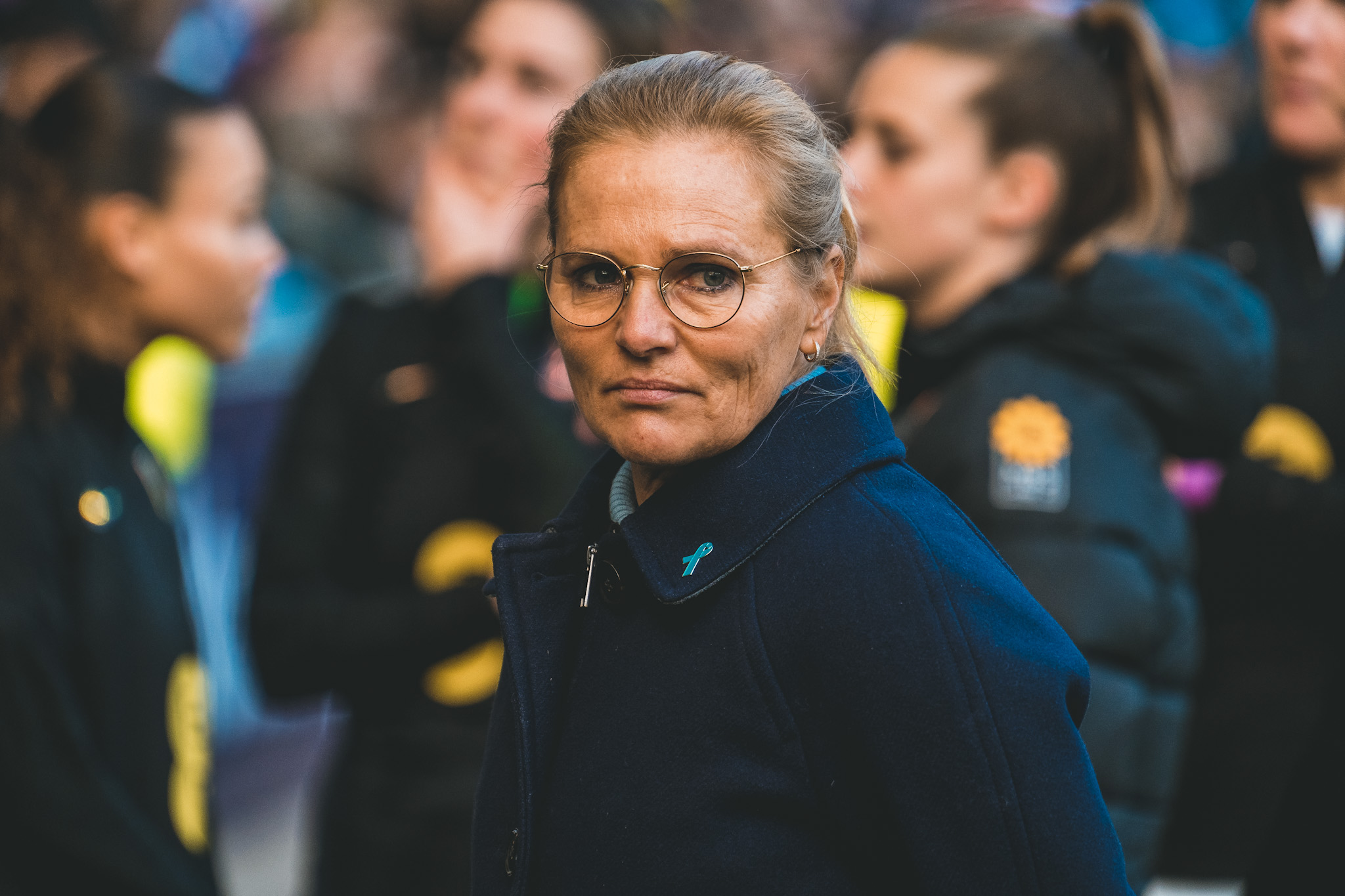
At the 2023 Women’s World Cup in Australia, only 12 of 32 head coaches were women, including England manager Sarina Wiegman, who led England to back-to-back European titles.
Emma Hayes, in a 2024 interview with BBC Sport, described the lack of female coaches in English football as “a massive issue” and urged the game to develop more creative ways to address it.
She stressed: “We have to recognise that the opportunities are few and far between. We need to think of different ways to educate women from a younger age.”
The Women’s Super League (WSL) also illustrated the barriers faced by homegrown female coaches.
By October 2024, only four of the 12 WSL clubs had female managers, two of them English, while overseas coaches were increasingly recruited.
Dan Clements, the FA’s head of coaching development, acknowledged the challenge: “There’s a significant amount of work to break down barriers… It’s not up to one person to achieve that.”
“It has to be a joint effort. It’s a challenge we’re willing to accept and are really leaning into.”
Barriers Beyond Qualifications
Even with qualifications, female coaches faced systemic and cultural challenges.
Amy Merricks, who had served as the youngest WSL manager during her interim spells at Brighton, said: “We’ve done a lot of work in terms of getting females their qualification badges but we’ve missed the whole point of how we get them experiences.”
It’s like learning to drive a car . You can pass your test, but you don’t really know how to drive until you do it regularly.”
“Unless we start giving female coaches the opportunity to gain that experience, how are they ever going to be able to apply and fulfil roles successfully?”
She also highlighted the isolation many female coaches felt: “Some female coaches have found it a lonely place. You feel like you have to prove yourself even more.”
“I’m just really passionate about it because I’ve had great female leaders like Hope Powell give me opportunities.”
Merricks noted the lack of transparency in recruitment processes: “We have a significant number of female coaches in the game. It’s more about how we build them and give them the experience of what’s required.”
“We can only do that if we know what clubs are looking for. Do foreign coaches have experience in their leagues and that is therefore perceived as less of a risk?
“How are panels made up in the interview process? Is there enough diversity within that? How many of those head coach appointments have been made by females in those positions? They are the recruiters.”
She also highlighted the underrepresentation of Black coaches: “Former Brighton manager Hope Powell was the only Black coach and now there are none.”
High-Profile Role Models
Achievements and Influence
Emma Hayes established herself as one of the most successful and high-profile figures in women’s football.
Under her leadership, Chelsea won six WSL titles, five FA Cups, and two League Cups since 2015, consistently reaching the knockout stages of the Champions League.
Sarina Wiegman has guided England to back-to-back European Championships and has been named FIFA Best Women’s Coach of the Year on four occasions.
Both Hayes and Wiegman exemplify the calibre of female coaches at the top of the game and serve as role models for aspiring coaches worldwide.
Barriers and Advocacy
Despite their success, Hayes highlighted persistent barriers for women in coaching.
She noted the financial challenges of obtaining elite qualifications: “It’s about £10,000 to do a Pro Licence. And the wages in the women’s game are insignificant compared to the men’s game.”
“We have to commit more money to coaches, not just in the women’s game, but women coaches in general.”
She also stressed the importance of educating players early and supporting them through coach education: “We have to think about educating players much earlier on in their careers… and most importantly, support so that they can go through the coach education.”
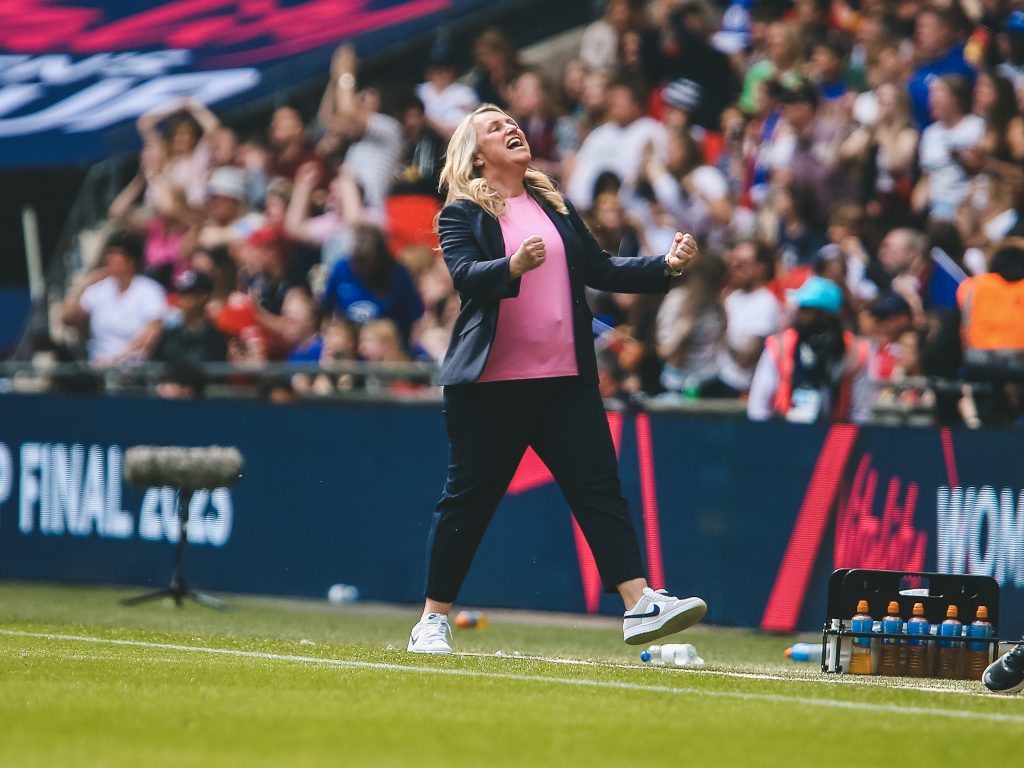
Merricks reinforced these points, describing how female coaches often face isolation and the need to prove themselves repeatedly: “Some female coaches have found it a lonely place. You feel like you have to prove yourself even more.”
“I’m just really passionate about it because I’ve had great female leaders like Hope Powell give me opportunities.”
Inspiring the Next Generation
Several other high-profile female coaches have demonstrated the impact of structured support and mentorship.
Gemma Grainger (Norway manager), Casey Stoney (Canada manager), Carla Ward (former Aston Villa manager), Vicky Jepson (Tottenham assistant coach), Charlotte Healy (Manchester United assistant coach), and Rhian Wilkinson (Wales manager) have all benefited from FA and FIFA coaching programmes, including scholarships, mentorship, and on-the-job placements.
Their success highlights how targeted development and visibility can help aspiring female coaches gain the experience and confidence to progress into elite roles, providing a pathway for the next generation of leaders in the women’s game.
Supporting Programmes and Pathways
FIFA had already supported 795 female coaches across 73 member associations through its coach education scholarship programme and the Elite Performance Coach Mentorship Programme, which pairs experienced high-performance coaches with emerging talent worldwide.
The Female Coach Educators’ Development Pathway aimed to expand the global network of instructors to mentor the next generation.
The FA also provided grants, bursaries, and placements to give practical experience, while encouraging clubs to hire women.
The Overlooked Issue: Cultural and Systemic Barriers
The LMA highlighted a “vital need for significant improvement” in the number of qualified women coaches, and the FA acknowledged that female representation remained low despite increasing participation.
Expansion of leagues like the WSL attracted foreign coaches, creating additional hurdles for homegrown female talent.
Jonas Eidevall described female coaching as “the most under-tapped resource in professional football.”
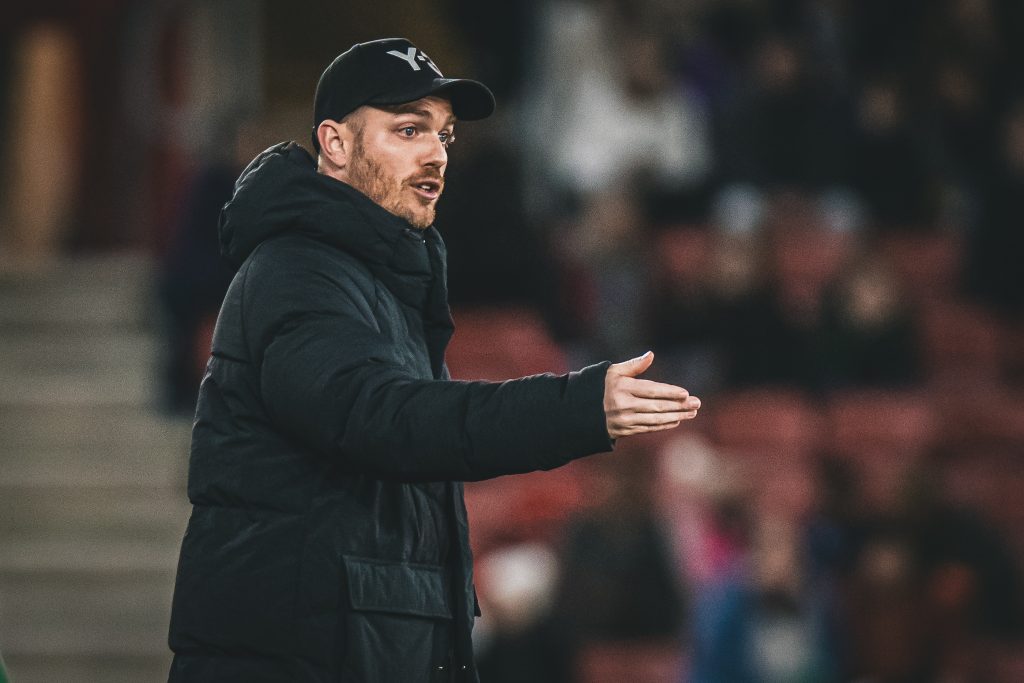
Merricks concluded: “We have to keep talking about it and asking questions. Everyone has accountability and responsibility to grow this part of the game.”
“We have a lack of Black coaches in the game, we have a lack of English female coaches in the WSL. I don’t think the ratio is enough. It’s a problem and we need to address it quickly.”
Why FIFA’s Regulations Matter
FIFA’s 2026 regulations addressed many of these barriers by mandating female representation in leadership roles, creating pathways to gain elite coaching experience, raise visibility, and inspire the next generation.
They complemented existing scholarship and mentorship programmes, providing both structural and cultural change.
Ellis framed the change as both systemic and symbolic: “This isn’t just about compliance; it’s about accelerating the growth of the women’s game with women in positions of leadership, not just participation.”
Looking Ahead
The regulations arrived as women’s football experienced unprecedented growth, commercialisation, and global recognition.
Yet despite progress, the pipeline for female coaches remained fragile.
By embedding women into leadership structures at all levels, FIFA aimed to make female coaching a standard, not an exception, ensuring that future generations had the opportunity, experience, and support to thrive.