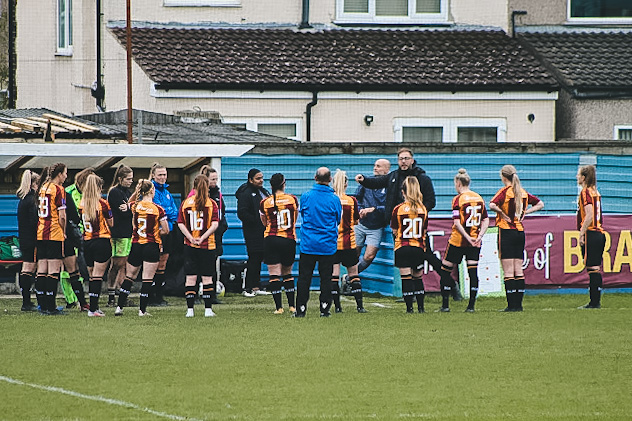




We’ve all seen the anger online from fans and clubs about the FA’s plans to incorporate four Professional Game Academies within Tier 3, and most of it is quite justified; it’s just poorly argued, with many unable to acknowledge ‘the method behind the madness.’
When I initially heard the plan, I didn’t like it. Then, after speaking to stakeholders, they sold me on the idea, and the benefits outweigh the negatives.
I don’t have an issue with the professional game having a greater relationship with the Women’s National League. In fact, I think it is something that should have happened years ago.
If the purpose is to give young players more opportunities to play senior football, improve standards and create a stronger link between the professional and semi-professional game, then the happy medium which should appeal to all would be to create a formal partnership system between WSL clubs and WNL clubs which could have delivered benefits to far more people across the pyramid.
The basic idea would be relatively simple. Every WSL club could be encouraged, or perhaps required, to establish a formal relationship with one or more WNL clubs. The WSL club would provide players, coaching expertise and access to professional knowledge, while the WNL club would provide a genuine senior football environment for developing players.
The WNL club would remain completely independent and, crucially, would retain its place in the pyramid on sporting merit. That, to me, would be a much more attractive model.
A young player coming through a WSL academy who isn’t quite ready for the first team could spend a season playing senior football for the partner WNL club. Instead of being restricted to youth football, she could be playing every Sunday against experienced players, dealing with the physicality and unpredictability of senior football and learning what it means to play for points.
At the same time, the WNL club gets a talented player who may improve its squad.
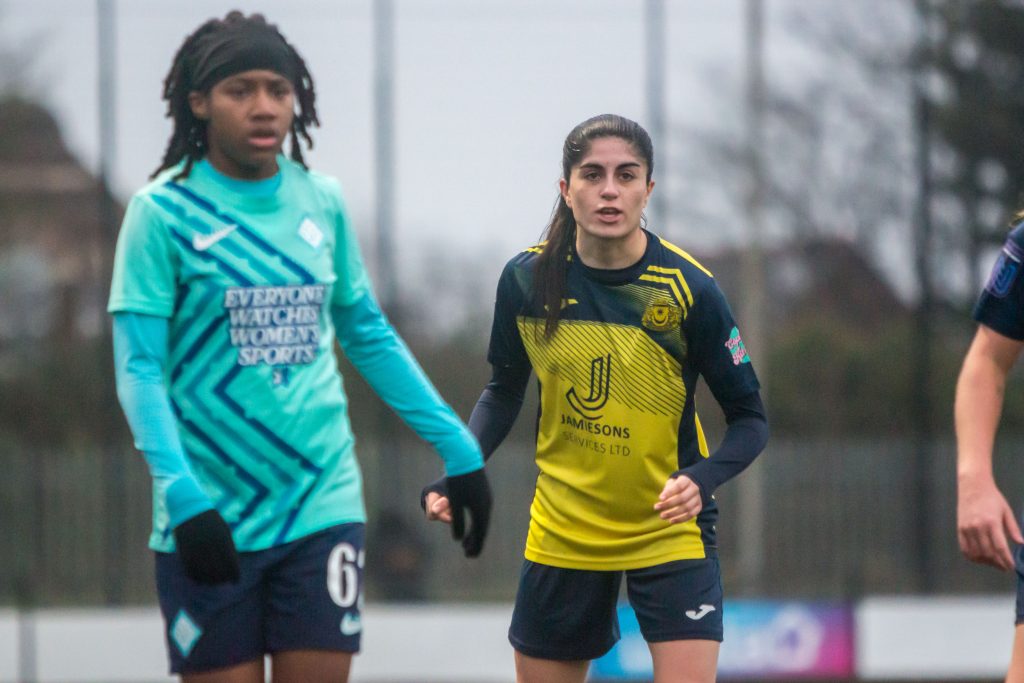
That is a genuine benefit to both sides which is achievable to put into place. But the relationship could go much further than simply loaning players.
One of the biggest advantages of having a relationship with a WSL club would be the knowledge that could be shared. WSL clubs have access to coaches, analysts, sports scientists, strength and conditioning staff, scouts and other specialists that most WNL clubs simply cannot afford to employ at the same level.
Why not share that knowledge?
A WSL coach could work with the WNL coaching staff. WNL coaches could spend time within the professional club’s environment. Performance staff could provide advice and support. Analysts could help WNL clubs improve the way they prepare for matches. Coaches could share ideas around training, player development and recruitment.
None of that requires the WSL club to have its own team in Tier 3.
In fact, you could argue that it would have a much greater impact if those resources were spread across the existing WNL.
There is also a benefit for the WSL club itself.
A formal partnership would give a professional club somewhere for its younger players to gain meaningful senior experience while still being part of a structured development pathway.
The WSL club could monitor their progress, work with the WNL coaching staff and bring players back into its own environment when appropriate.
It would essentially give professional clubs an extension of their academy without requiring them to run a separate team within the national pyramid.

And the relationship shouldn’t only work in one direction.
The WNL is full of players who were not necessarily developed through the professional academy system. Some mature later, some are late developers and some simply weren’t given the opportunity at a younger age. A good WNL partnership could give those players a route into the professional game too.
A WNL player who impresses could be invited to train with the WSL club, receive additional support and potentially earn a professional contract.
That is important because player development isn’t always linear.
We shouldn’t assume that every future professional has to be identified at 15 or 16.
The WNL should be a place where players can continue to develop and where the professional game can find talent that might otherwise have been missed.
There is also a coaching benefit. We spend a lot of time talking about developing players, but developing coaches is just as important.
If WSL clubs were formally partnered with WNL clubs, you could create opportunities for WNL coaches to learn from professional environments while giving younger WSL coaches experience of senior football.
That knowledge would then stay within the women’s game.
Over time, you could end up with better coaches throughout Tiers 3 and 4, not simply better academy players.
I also think this would have been a much better way of protecting the sporting integrity of the WNL. One of the things that makes a league meaningful is that clubs earn their position. If you win your division, you get promoted. If you finish near the bottom, you face relegation.
The current model creates a direct place for four PGA teams. A partnership model could potentially involve every WSL club. If each WSL club had a formal relationship with one or two WNL clubs, you could have a network running throughout Tiers 3 and 4.
Suddenly, this isn’t about four professional academies.
It is about the entire professional game helping to develop the wider women’s football pyramid.
That could also have commercial benefits.
Imagine a WNL club being able to tell potential sponsors that it has a formal development partnership with a WSL club. That relationship could create opportunities for joint events, community work, player appearances, coaching initiatives and potentially new commercial partnerships.
It could also help bring supporters of the professional game into the WNL.
The WNL clubs retain their own identity, history and supporters, but become connected to a professional club with resources and expertise that can help them grow.
I think that is a much healthier relationship than simply putting PGA teams into the league.
The professional game should not be separate from the WNL. Quite the opposite. I want to see much stronger links between the two.
But there is a difference between being connected to the professional game and becoming a competition for professional academy teams.
The former strengthens the pyramid. The latter changes its make-up. And that’s why I think the FA potentially missed an opportunity or gone for the easier option.

Rather than asking which four PGA teams should be allowed into Tier 3, why couldn’t the FA have asked every WSL club:
“Which WNL clubs can you help?”
Give them formal partners. Give those partnerships funding. Encourage player loans and dual registrations. Share coaching and performance expertise. Create pathways for WNL players into the professional game. Help WNL clubs improve their standards and become more sustainable.
The WNL club gets players and professional expertise.
PGA players get greater opportunities to progress.
WNL coaches get access to better development opportunities.
The professional game gets a wider talent pool.
And the league itself retains its sporting integrity.
For me, that is the important distinction.
I don’t think the answer was to keep the professional game away from the WNL. I think the answer was to bring the professional game much closer to it.
But rather than bringing four PGA teams into Tier 3, I would have preferred to see the FA build formal relationships between WSL clubs and the WNL clubs that are already there.
That could have turned the professional game from something competing within the pyramid into something actively helping to build the pyramid beneath it.