The Best FIFA Women’s Awards are intended to honour individual excellence at the highest level of the game. Yet the 2025 women’s honours felt less like a celebration of standout personal performance and more like a reflection of international success. With Spain’s World Cup legacy still shaping the narrative and England continuing their reign as back-to-back European champions, FIFA’s latest awards once again appeared to favour collective national achievement over individual brilliance across the women’s game. That reality raises an uncomfortable question: are these awards still recognising the best players in the world, or simply the most visible ones?
The Women’s Team of the Year provides the clearest illustration of this imbalance. All eleven players selected came from just three clubs: Barcelona (six), Chelsea (two) and Arsenal (three). On the surface, those selections are easy to defend. Barcelona completed a domestic treble, Chelsea claimed a seventh consecutive WSL title, and Arsenal lifted the Women’s Champions League. These are remarkable accomplishments, and the players involved merit recognition. However, the absence of representation beyond this elite group exposes a deeper issue. Success is being defined too narrowly.
Spain’s influence was especially prominent in the 2025 selections. Six Barcelona players in the FIFA XI reflects not only club dominance but also how closely FIFA’s voting continues to link club recognition with international achievement. Players who delivered consistently elite performances in domestic leagues, often carrying teams without title-winning squads or global attention, were once again overlooked. In a women’s game that grows deeper and more competitive each season, that limited focus feels increasingly outdated.
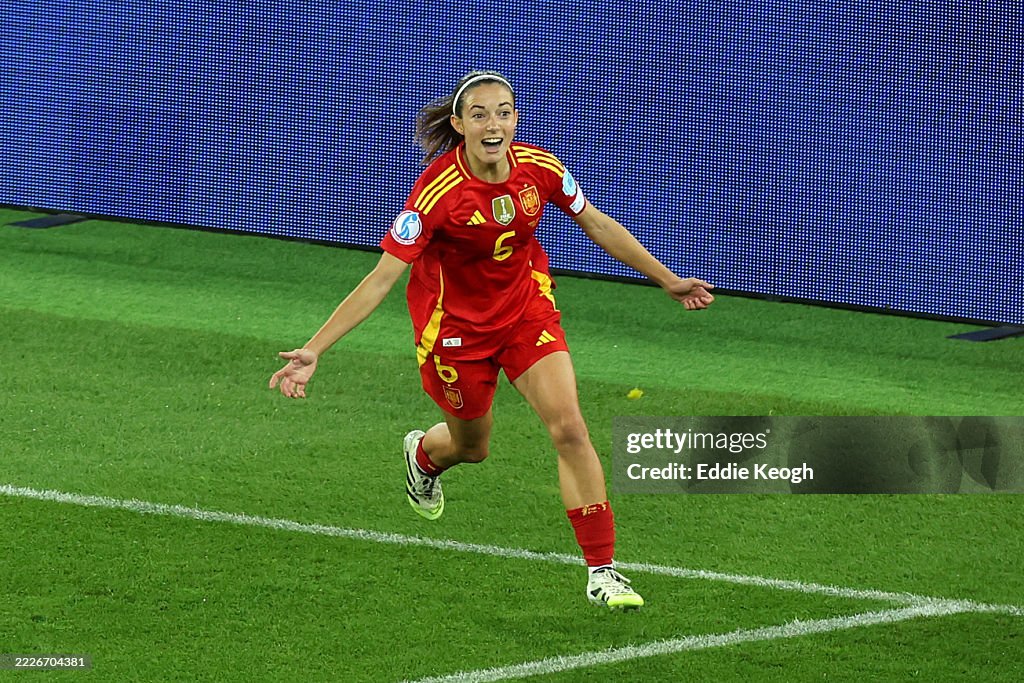
This trend carries over into the individual honours. Aitana Bonmatí, crowned Women’s Player of the Year for a third consecutive time, remains one of the most technically gifted and intelligent footballers in the world. Her influence, consistency and ability to perform on the biggest stages are beyond dispute. Yet the recurrence of the same names year after year inevitably invites scrutiny. Is the gap between Bonmatí and the rest of the field truly that significant, or does the voting process struggle to move beyond a familiar inner circle?
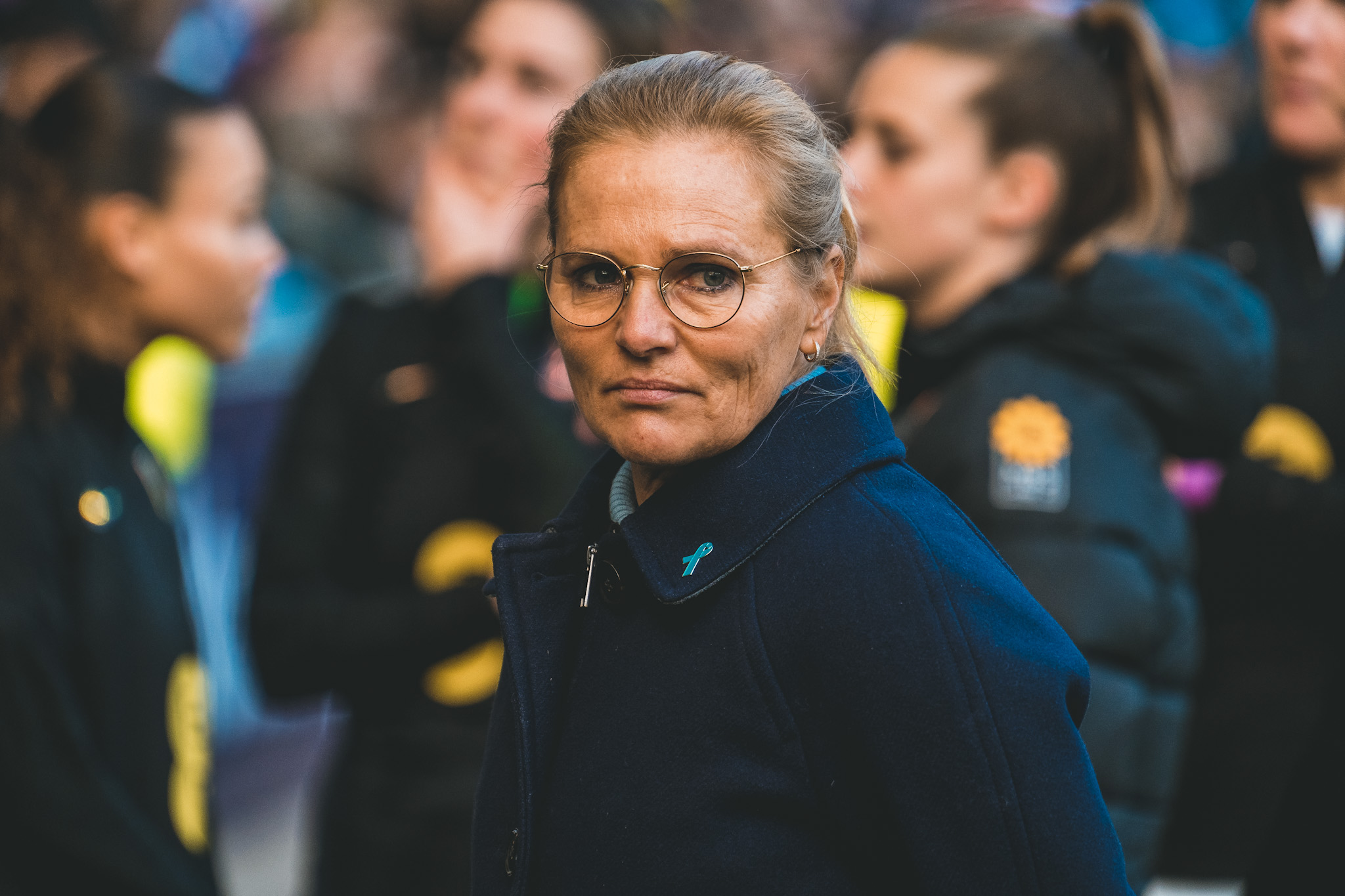
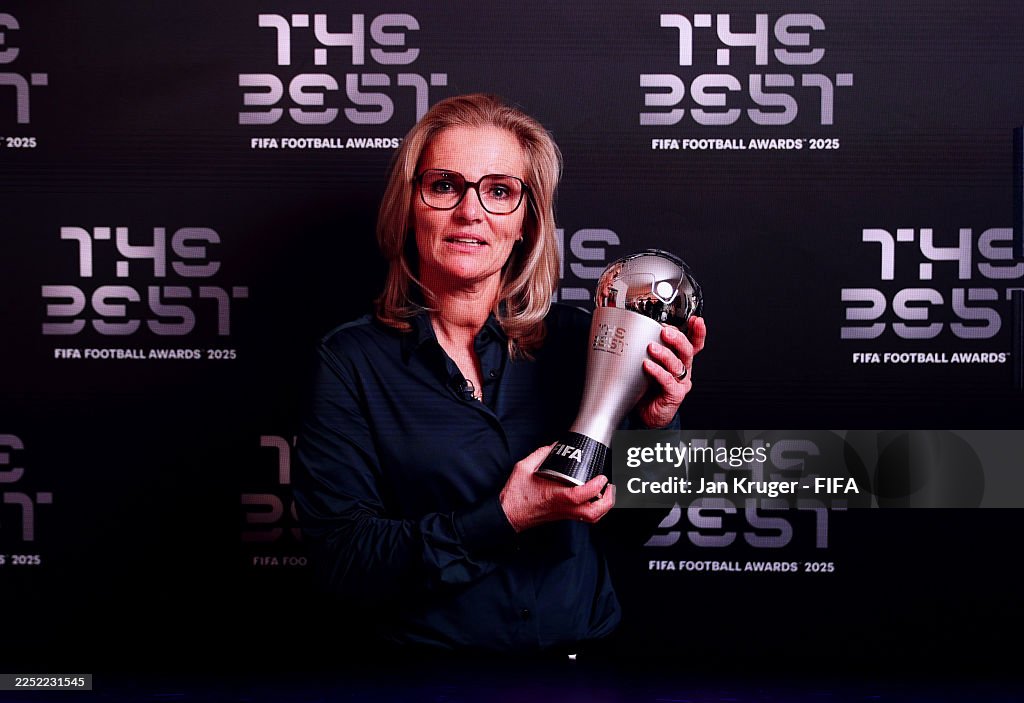
The coaching award followed a similar pattern. Sarina Wiegman’s record-breaking fifth Coach of the Year honour is a testament to her extraordinary achievements at international level. Leading England to sustained tournament success is no small feat. However, the result once again reinforced the idea that international trophies carry greater weight than long-term excellence in club football. With nominees such as Arsenal’s Renée Slegers and Chelsea’s Sonia Bompastor, both of whom oversaw outstanding domestic campaigns, the outcome highlighted how club-level success continues to be overshadowed.
Even the wider nomination lists reflect this same concentration. Mariona Caldentey and Alexia Putellas, both Spain internationals playing for elite clubs, were unsurprising inclusions. Their quality is unquestionable. But their presence also underscores how recognition is increasingly confined to a small group of teams and nations. Outstanding performances across other domestic leagues and competitions struggle to gain visibility unless accompanied by international honours or Champions League success.
At the heart of the issue lies FIFA’s voting structure. The awards are decided by a panel of experts, coaches, players and journalists without incorporating a meaningful fan perspective. Expertise is vital, but the lack of broader representation narrows the definition of “the best.” Fans follow domestic football week after week. They witness players elevate mid-table sides, deliver elite performances without superstar teammates, and maintain excellence across entire seasons rather than short tournament windows. Those narratives rarely translate into award recognition.
None of this is intended to diminish the achievements of the 2025 winners. Bonmatí, Wiegman and every player named in the Team of the Year have earned admiration for their success, but awards should do more than reinforce an existing hierarchy. They should reflect the full breadth of excellence within the women’s game, encourage debate and reward performances that might otherwise go unnoticed.
If FIFA wants The Best Women’s Awards to truly represent the global game, reform is needed. Greater emphasis on domestic leagues, broader club representation and a voting system that better balances expert analysis with fan insight would be meaningful steps forward. Women’s football has moved beyond the idea that greatness exists only on the international stage.
Until that shift occurs, The Best FIFA Women’s Awards will continue to prioritise nations first and individuals second leaving too many exceptional performances in the shadows simply because they did not align with the biggest headlines.
Alternative XI
Goalkeeper
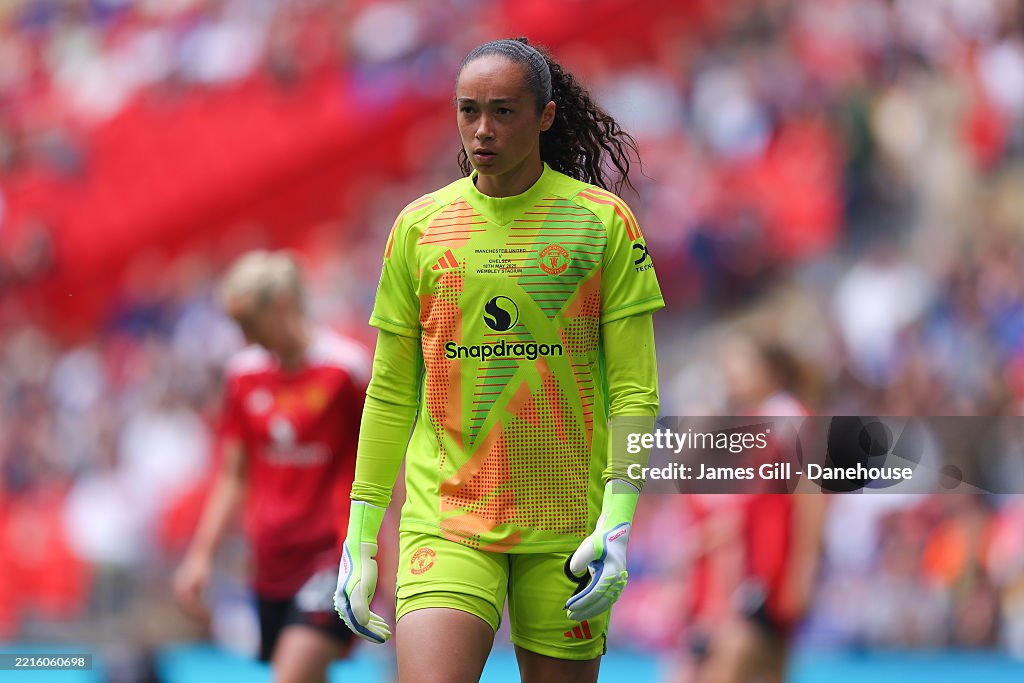
Phallon Tullis-Joyce (Manchester United / USA)
Phallon Tullis-Joyce had an impressive debut season as Manchester United’s first-choice goalkeeper, stepping in seamlessly after Mary Earps’ departure and immediately influencing results at the top level of club football. She kept 13 clean sheets in 22 Women’s Super League (WSL) appearances, sharing the Golden Glove with Chelsea’s Hannah Hampton. United’s defence, anchored by Tullis-Joyce, conceded only 16 goals in those 22 games, one of the league’s best records. Her performances went beyond statistics, earning her recognition from her peers with a shortlist for PFA Women’s Players’ Player of the Year and winning Manchester United Women’s Players’ Player of the Year. In 2025, she also broke into the United States Women’s National Team, earning her first senior cap in April and keeping a clean sheet on debut against Brazil.
Defenders
Selma Bacha (Lyon / France)
Selma Bacha was a consistent presence for France during the UEFA Women’s Euro 2025 group stage and knockout rounds, contributing to notable results such as the opening win against England, where her left-back performance was highly rated. Although France exited on penalties in the quarter-finals, her involvement in every match highlighted her reliability at the international level. At Lyon, she featured in multiple UEFA Women’s Champions League matches, demonstrating both technical skill and tactical awareness, making her a strong candidate for a top XI.

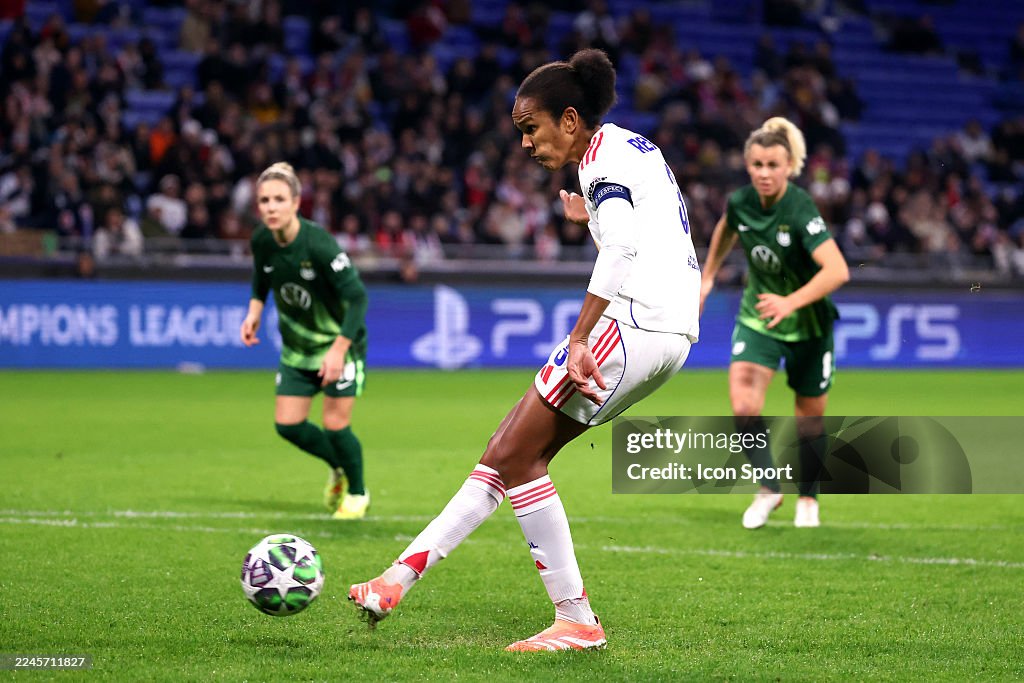
Wendie Renard (Lyon / France)
Wendie Renard’s 2025 season underlined her long-standing excellence and leadership at Lyon. In April, she played her 500th match for the club, a testament to her longevity and consistency. She was a regular starter in the 2025/26 UEFA Women’s Champions League, providing defensive stability crucial to Lyon’s European campaign. Domestically, Renard also contributed offensively, surpassing 100 league goals thanks to her aerial threat from set pieces. Despite being controversially omitted from France’s Euro 2025 squad, her historic milestones, steady high-level contributions, and leadership justify her consideration for a Best XI.
Rebecca Knaak (Manchester City / Germany)
Rebecca Knaak experienced a breakout 2025 season after joining Manchester City in January. She quickly became a key player, making 16 appearances and scoring five goals, including one against rivals Manchester United. Her impact earned her a contract extension until 2028. Internationally, she debuted for Germany in February 2025 and featured in every match at UEFA Women’s Euro 2025, helping her team reach the semi-finals. Her strengths include strong positioning, calmness on the ball, and excellent reading of the game.
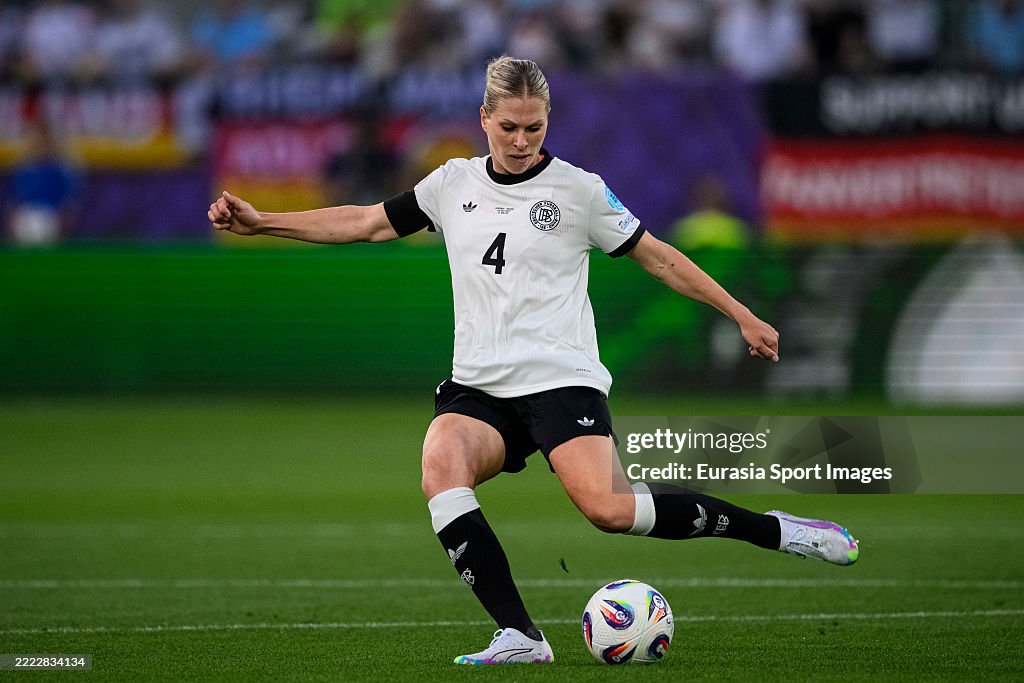
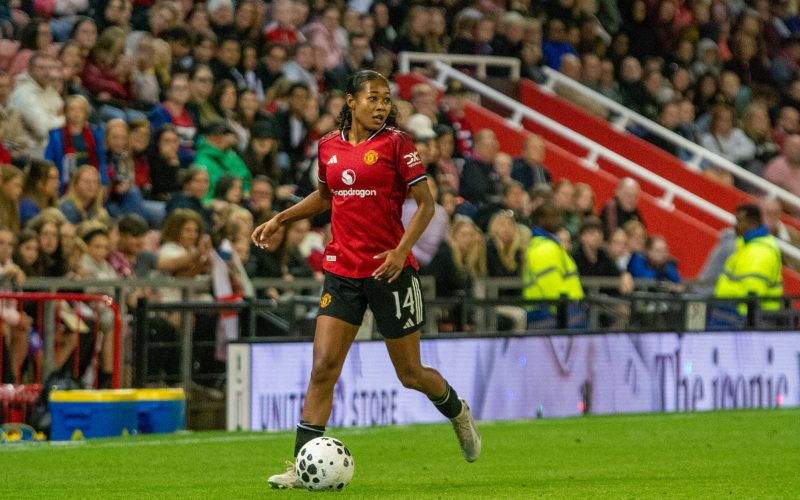
Jayde Riviere (Manchester United / Canada)
Jayde Riviere established herself as a dependable right-back throughout 2025, combining defensive stability with attacking contributions. For Canada, she started all six matches in 2025, earning her 50th cap in April against Argentina and providing an assist. At Manchester United, she played 23 WSL games across the 2024-25 and early 2025-26 seasons, including all four UEFA Women’s Champions League matches, demonstrating both fitness and trust from her coach. She also scored her first WSL goal in a 5-1 win over London City Lionesses, showing her ability to influence games in the final third.
Midfielders
Melchie Dumornay (Lyon / Haiti)
Melchie Dumornay enjoyed a breakout 2025 season, establishing herself as one of the most impactful attacking midfielders in world football. At Lyon, she was central to domestic success, finishing as the club’s second-highest league scorer with 15 goals and delivering a standout performance in the 3-0 title-clinching playoff final. In the 2024/25 UEFA Women’s Champions League, she scored six goals and provided two assists in nine matches, earning three Player of the Match awards. She was named UEFA Women’s Champions League Young Player of the Season for the second consecutive year and included in the competition’s official Best XI. Beyond Europe, she won the Concacaf Women’s Player of the Year award for the second straight season and became the first Haitian woman ever nominated for the Ballon d’Or Féminin.
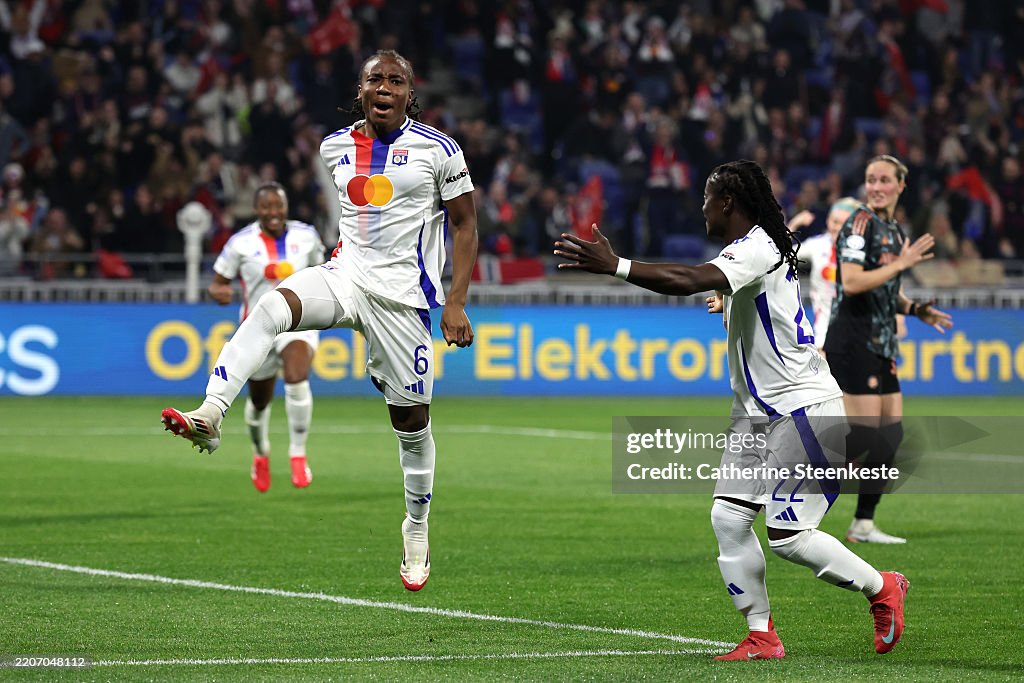
Jule Brand (Lyon / Germany)
Jule Brand had a strong 2025 campaign, establishing herself as a key German midfielder for both club and country. At UEFA Women’s Euro 2025, she contributed a crucial goal and an assist in Germany’s 2-0 win over Poland and earned praise from her coach for her all-around play. She also joined Lyon from VfL Wolfsburg in 2025, appearing regularly in the early stages of the 2025/26 UEFA Women’s Champions League and scoring her first goal for the club in a 3-0 victory against St Pölten.
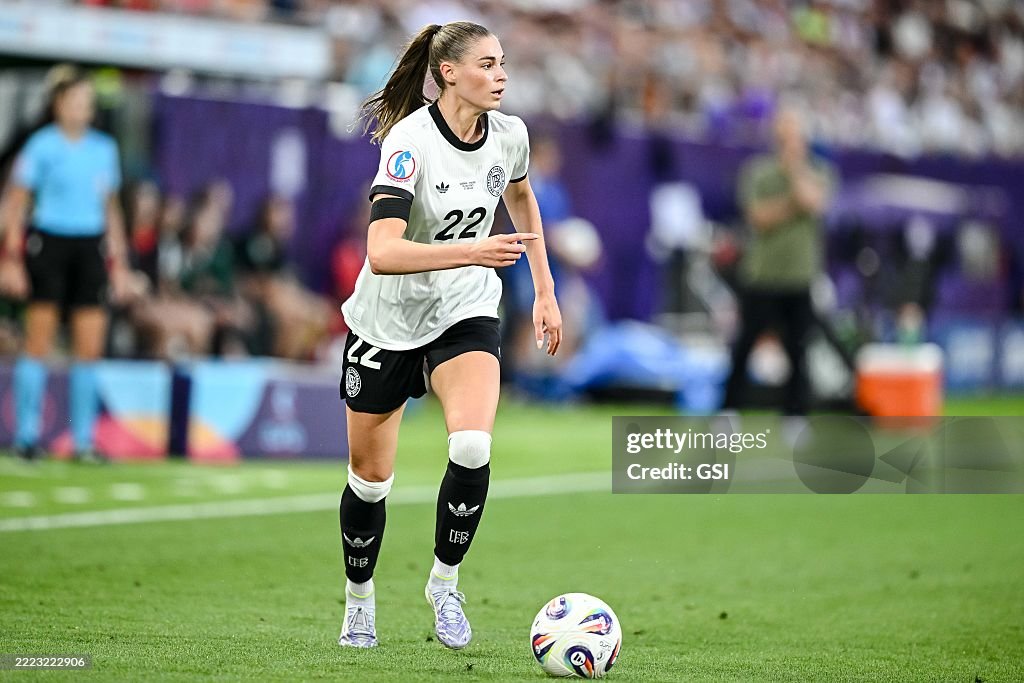
Klara Bühl (Bayern Munich / Germany)
Klara Bühl’s 2025 season highlighted her influence as an attacking midfielder/winger in Europe. She played a key role in Bayern Munich’s Frauen-Bundesliga title and DFB-Pokal triumph, finishing with 21 goal contributions. She also made her mark in the UEFA Women’s Champions League and was instrumental in Germany’s progression at UEFA Women’s Euro 2025.

Forwards
Tabitha Chawinga (Lyon / Malawi)
Tabitha Chawinga demonstrated her quality as a forward capable of influencing elite-level matches. After joining Lyon in 2024, she contributed goals and assists in both the French Première Ligue 1 and UEFA Women’s Champions League. Off the field, she was honoured at the Malawi Sports Awards as Sports Woman of the Year and Sports Personality of the Year. Despite Malawi not competing in major international tournaments in 2025, Chawinga’s role as captain and top scorer for her national team supports her inclusion.
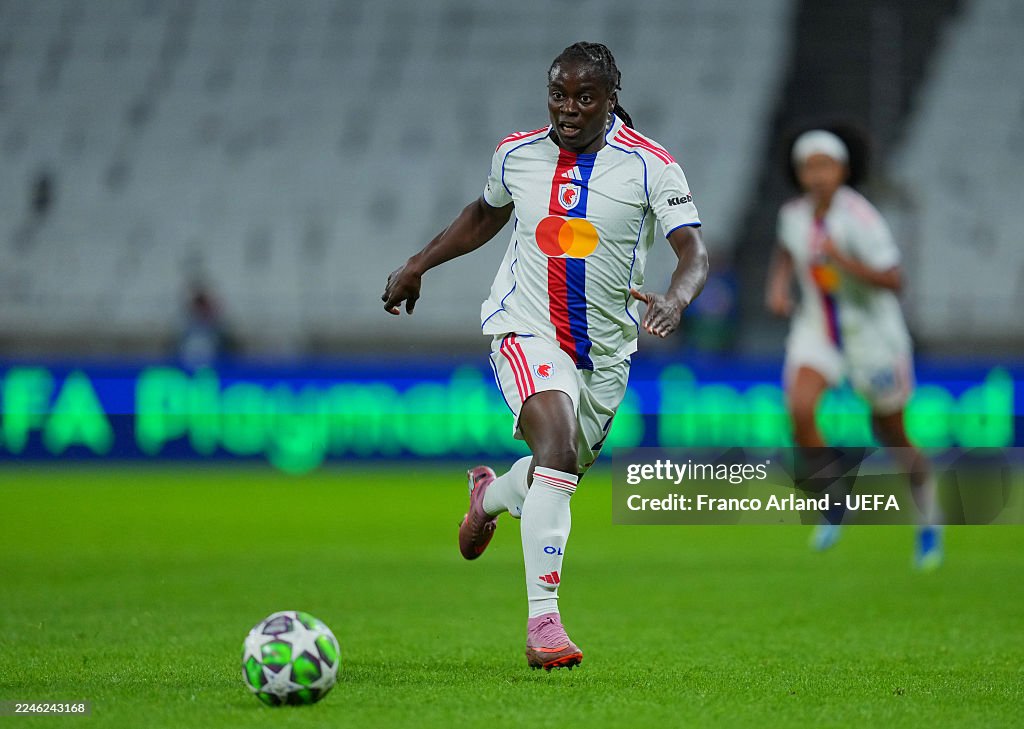
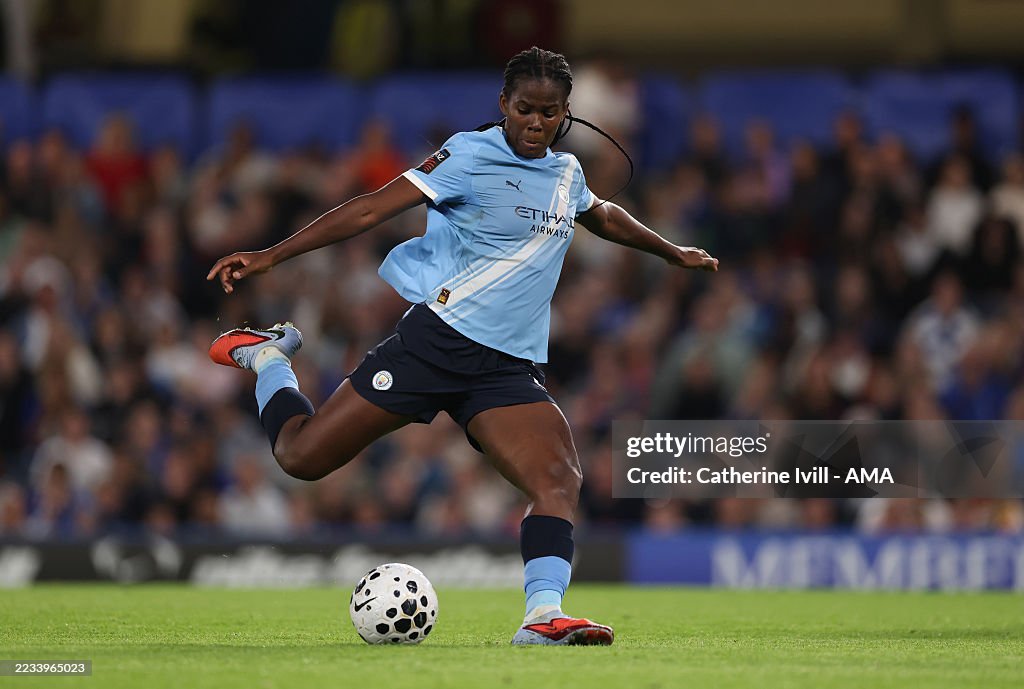
Khadija “Bunny” Shaw (Manchester City / Jamaica)
Khadija Shaw had a standout 2025 season, establishing herself as one of the most potent strikers in the world. At Manchester City, she won the WSL Golden Boot, scoring 12 goals in 14 appearances despite missing part of the season through injury. In December 2025, she became the first female player in Manchester City history to reach 100 goals, capped by a four-goal performance in a 6-1 win. Internationally, she continues as captain and all-time leading scorer for Jamaica.
Linda Caicedo (Real Madrid / Colombia)
Linda Caicedo had a breakthrough season, emerging as a dynamic forward in women’s football. At Real Madrid, she scored 9 goals and provided 8 assists in 24 Liga F matches, including notable contributions in the Copa de la Reina quarter-finals. Internationally, she was a key figure for Colombia at the Copa América Femenina 2025, helping the team reach the final and earning selection in the tournament’s Best XI. She also featured prominently in high-profile friendlies such as the SheBelieves Cup, showcasing her ability to perform against elite opposition.