



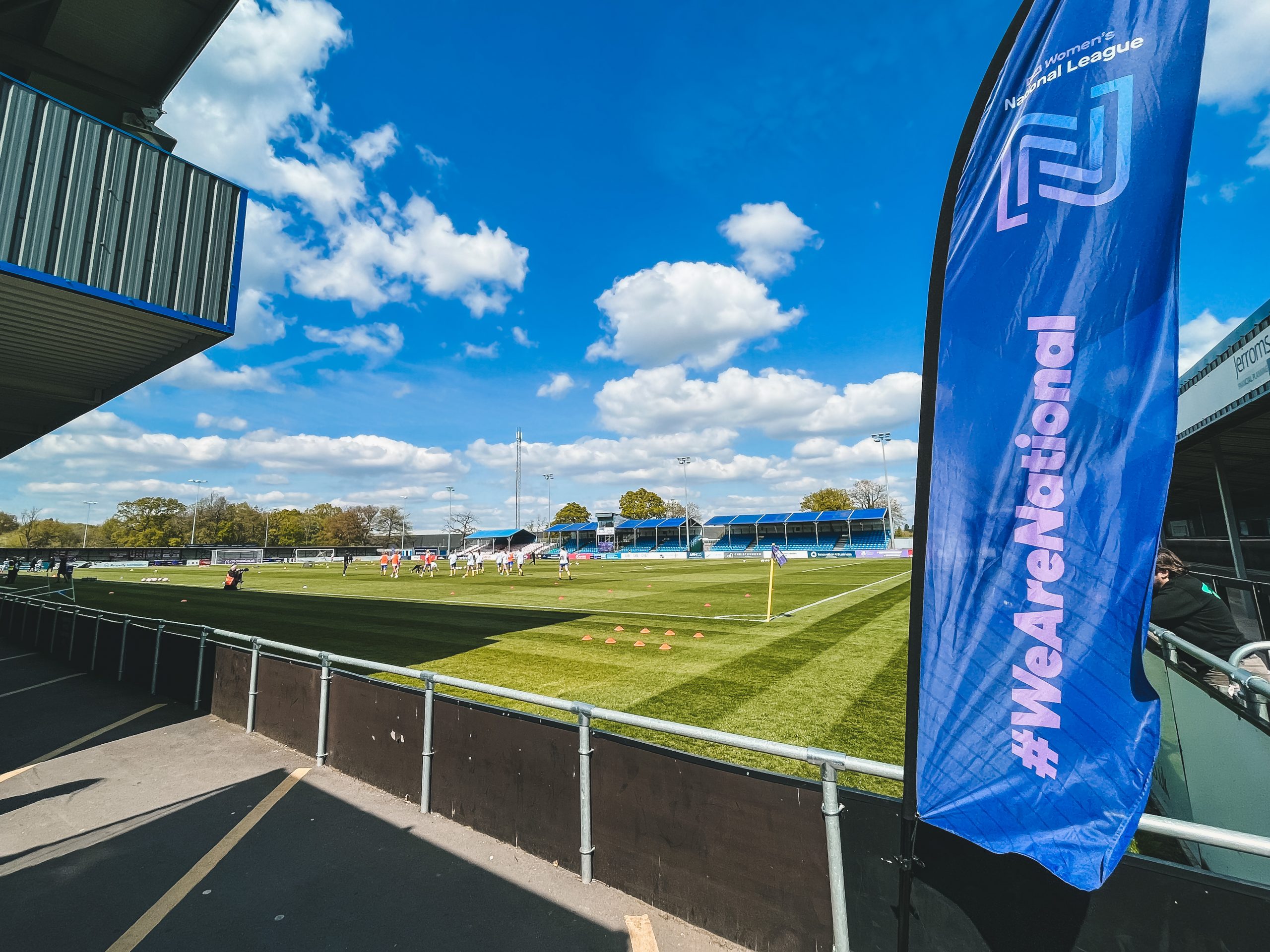
The FA has today confirmed a series of major reforms to the FA Women’s National League (WNL), which will come into effect from the 2027–28 season. The changes are designed to strengthen the women’s football pyramid, raise standards across Tiers 3 and 4, and create greater opportunities for young players to gain valuable experience in senior football.
For the first time, WNL clubs will receive central funding from the FA, while clubs will also be encouraged to establish their own academies. The reforms will also enhance the loan system, with the aim of encouraging more professional clubs to send players to WNL sides to gain meaningful competitive experience in senior football.
Perhaps the most controversial element of the reforms, however, is the decision to allow four Professional Game Academy (PGA) teams to compete in Tier 3.
These sides will not be eligible for promotion, while the academies involved will have to meet criteria developed alongside clubs and other stakeholders. Crucially, the model will also be reviewed annually to assess whether it is achieving what it was designed to do.
Women’s football is losing its shit over this and, in some respects, I can understand why. The sporting integrity of a promotion and relegation system is hugely important. Clubs should ultimately earn their place in the pyramid through what they achieve on the pitch, but if this move doesn’t go ahead then the WNL stagnates and just drifts further away from the WSL2 teams.
In my opinion, this decision will do no harm the WNL stakeholders. The big losers are the PGA clubs not involved within the WNL and are playing within a now weakened girls academy system.
It might not be ideal but some of the reaction online has been completely over the top.
I’ve seen people threatening to boycott National League football all together, and a team owner selling up, which ultimately does nothing other than damage the very clubs they claim to support. And for what? The negative impact on clubs is minimal at best.
If this decision was preventing an existing Tier 4 club from earning promotion through sporting merit, I would be the first in line to oppose it. But it isn’t.
The introduction of PGA teams does not remove a promotion place from an existing WNL club. It does not stop a club winning its league. It does not prevent a team from progressing through the pyramid. The sporting pathway remains intact.
And there are potentially some significant benefits.
Firstly, more football.
The reforms are designed to increase the number of competitive fixtures, something that should be welcomed by players, clubs and supporters alike. More meaningful games means more opportunities for players to develop, more opportunities for supporters to attend matches and, importantly, more opportunities for clubs to generate income. Recognised names are a much easier sell to new supporters.
Secondly, more investment.
For years, the WNL has struggled to attract the level of commercial investment and sponsorship that its clubs deserve. That isn’t because the clubs aren’t doing good work; it is because the wider market has historically not placed enough value on football outside the professional game.
If having PGA teams competing in the WNL brings greater attention to the league, attracts new commercial partners and ultimately puts more money into the hands of the clubs competing at this level, then surely that is something worth exploring.
And the potential benefits shouldn’t be limited to money.
There is also a potential knock-on effect through the enhanced loan system.
A young player coming through a professional academy may not yet be ready for the demands of the WSL or WSL2. Instead of spending another season playing youth football with limited senior exposure, they could be playing competitive senior football against established WNL players every week.
That benefits the young player and speeds up their development. And, ultimately, it benefits the professional game if more young players are properly prepared for senior football.
That doesn’t mean there shouldn’t be questions.
There absolutely should be.
The FA needs to be transparent about the criteria for PGA entry, how clubs will be selected, how competitive balance will be protected and how the annual review will work. There must also be safeguards to ensure that the presence of professional academies doesn’t undermine the sustainability or identity of existing WNL clubs.
But we should be capable of having that conversation without declaring the entire pyramid broken and those running need to be sacked.
The WNL has spent years asking for greater recognition, greater investment and a stronger connection with the professional game.
Now that investment and connection is potentially coming, and we’re acting as though it is the end of the world.
It isn’t.
This is an experiment. It should be judged on whether it actually makes the WNL better.
If, in three years’ time, the league has more money, better facilities, stronger coaching, more competitive fixtures, increased attendances and more young players successfully transitioning into senior football, then it will have been a success.
If it doesn’t, then the FA should have the courage to change it.
But let’s give it the chance to work first.