



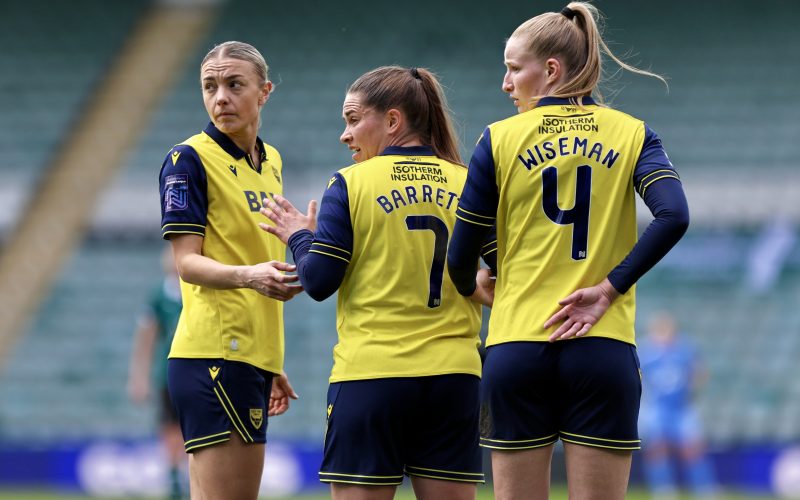
The FA Women’s National League (FA WNL) reforms have again been leaked by Tom Garry of the Guardian, and again, it has caused controversy among all stakeholders within the women’s game.
The Football Association (FA) has put forward plans to significantly change the structure of the third tier of women’s football in England, the FA Women’s National League (FA WNL), with the aim of improving the pathway for young players moving from academy football into the senior professional game.
A key element of the proposal would allow four academy teams from clubs in the Barclays Women’s Super League (WSL) to compete in the third tier. These teams would come from the top clubs’ Pro Game Academies (PGA) and would be selected based on the quality and success of their youth development programmes.
To make room for them, the league would expand from 24 to 28 teams, split evenly into northern and southern divisions of 14 clubs each. The academy sides would be granted licences lasting three years to participate in the competition.
This is understandably causing the most upset with existing FA WNL stakeholders angry that the teams have not earned the right to participate through sporting merit when clubs within the fifth tier are desperate to earn promotion and compete. That and it adds to a perception that the FA bow to the needs to the biggest clubs in the country because, let’s face it, the teams entering are likely to be the biggest names in the Barclays WSL.

From my perspective, the proposal also fails to fully address the wider challenge of developing young talent. While introducing a small number of academy teams into the third tier may provide opportunities for those selected players, it does little to improve the pathway for the many others who remain within the existing PGA structure. In fact, removing four of the strongest teams from that environment could arguably weaken the competition that remains, leaving the current academy system even less fit for purpose.
Although academy teams would compete alongside senior clubs, they would face certain restrictions intended to protect the competitive balance of the league. In particular, they would not be allowed to gain promotion to the second tier (WSL2), meaning the highest level they could reach would remain the third tier.
This rule is designed to ensure that independent clubs still have fair opportunities for promotion, while academy players can gain valuable experience playing against adult teams in a competitive environment, but what is the point of competing if you cannot reap the rewards?
Bringing in a small number of PGA teams into the FA WNL isn’t the answer, proper thought needs to go into the full academy structure within this country for the benefit of the players.
Rugby Borough Manager, Lee Burch, brought up a very good point on Twitter/X that if these proposals came in then the “best players at those four PGA will still get loaned into champ/WSL.” In which case, you’re just giving FA WNL football to players who are performing at that level and should be doing so for clubs already competing at that level via the existing loan system.
Liverpool Feds’ Assistant, Lewis Woodcock added, “Small teams rely on dual registrations from PGA teams every year to be able to compete with teams with big backing. Maybe get people in place who know the FA WNL to send these young players to the right environment to develop instead of just releasing them with no experience at 18.”
The only support that I have seen for this unsurprisingly comes from Arsenal and Chelsea fan bases.

While I don’t like the introduction of PGA teams into the league, I am very positive about the rest of the proposals.
Initially, teams would play 13 matches. After this stage, the league would be divided into three sections based on the standings. The top eight teams would move into a promotion group and compete for two places in the second tier. Teams finishing in the middle positions would play in a separate group to determine final rankings, while the lowest-placed teams would enter a relegation group where they would fight to avoid dropping down to the fourth tier.
I note that even if an academy team finished among the top eight in the first stage, it would not be eligible to compete in the promotion group.
The proposals also include adjustments to promotion and relegation throughout the wider league system. Two teams from the promotion group would move up to the second tier, while the lowest teams in the relegation group could be relegated to the fourth level of the pyramid.
At the same time, opportunities for clubs in the fourth tier would increase, with six teams gaining promotion through playoff competitions, creating more movement between divisions.
While we are yet to see how the play offs will work this season, I think the added opportunity for promotion has been positive and given the fourth tier clubs more to play for. This is something I fully support. Hopefully, the FA can get behind these and make sure that there is funding in place to get these matches streamed live.
However, next time around I would suggest holding the matches regionally. Having all teams play their playoff matches in Burton seems unnecessary and will likely impact attendances. Crowds would surely be larger if the matches were played closer to the competing teams’ own regions.
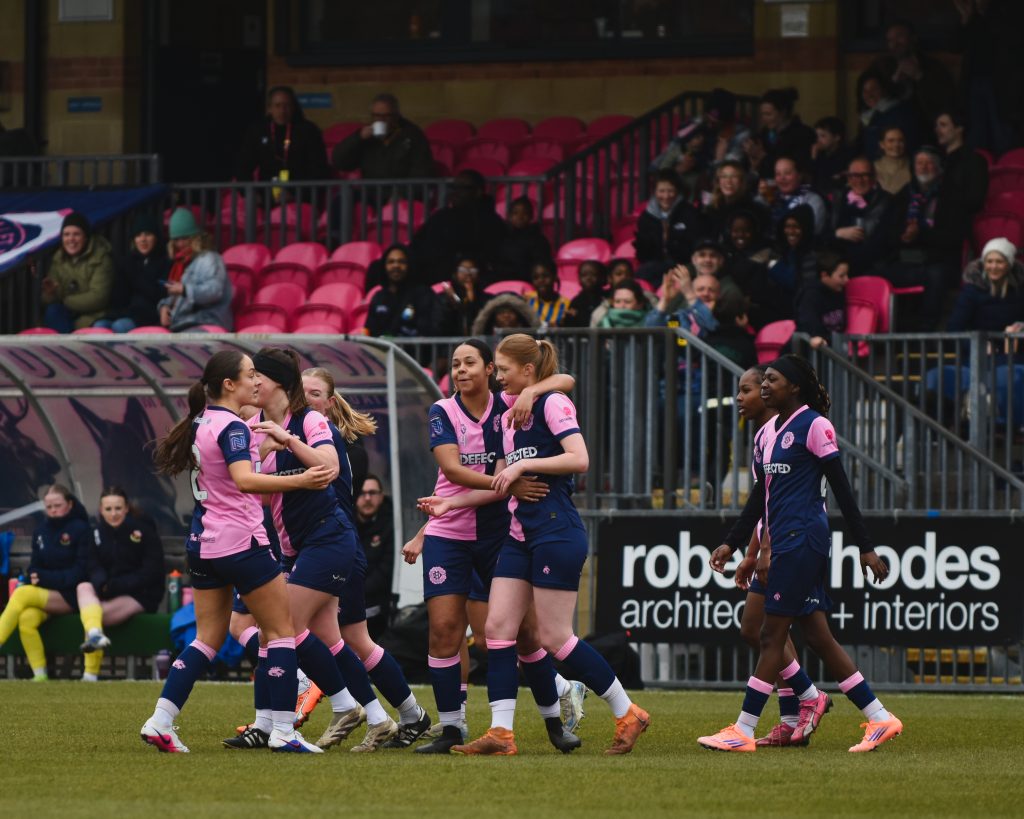
Financial support forms another part of the proposed changes. The FA plans to introduce a funding package worth around £1 million for the FA WNL. Approximately half of this amount would be distributed as prize money, while the remaining funding would come from new sponsorship deals.
This financial backing is intended to help clubs manage costs and encourage a more competitive environment within the league and this is wonderful. I’d argue that we want more but this is a huge step in the right direction. Hopefully we’ll have seen an increase in the Adobe Women’s FA Cup prize money by then also.
This increase in money available for clubs will lead to a better environment for existing FA WNL clubs to nurture young talent so that they can reach their potential. A rising tide lifts all ships!
In addition, the FA wants to introduce measures to improve player welfare and long-term development. These include stronger legal and medical protections for players who go out on loan and financial grants to help third-tier clubs develop their own academy structures. Again, great news and the FA should be commended.
If they can just solve the problem with PGA involvement, then hopefully we can get an improved FA WNL structure in place as soon as possible.