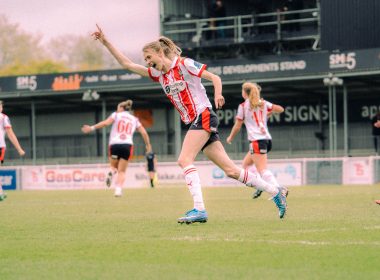




With just two months remaining until the 2025/26 season ends, attention is already shifting toward what promises to be another transformative year for women’s football.
Title races are intensifying, transfer activity is ramping up, and now the Football Association (FA) has unveiled a series of major changes designed to reshape the game.
These updates span league expansion, licensing regulations, financial sustainability, and player welfare, each aimed at strengthening the sport’s long-term future.
Expanding the Women’s Super League
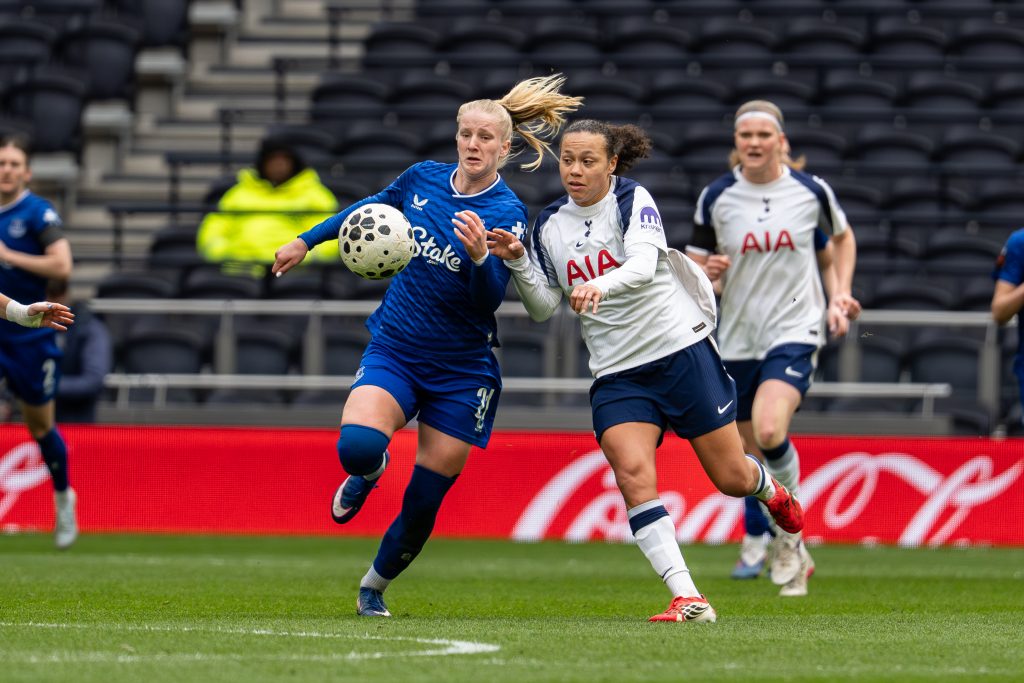
The Women’s Super League (WSL), currently home to 12 teams including London City Lionesses and Tottenham Hotspur Women, is set to expand to 14 teams from the 2026/27 season.
This move is intended to increase competition and deepen the overall quality of the league.
Promotion and Season Structure Changes
Promotion will play a key role in this transition, with two teams set to rise from the Women’s Super League 2 (WSL2). Clubs such as Charlton Athletic Women, currently leading the table, and Crystal Palace Women, sitting in third, are among those in contention.
A play-off system will determine final promotion places, factoring in points, goal difference, and goals scored to ensure fairness.
To accommodate the expansion, the league calendar, beginning the weekend of September 4, 2026, will increase from 22 to 26 matches per team.

This structural shift is about more than just numbers; it reflects a commitment to professionalism and growth.
By opening the door for more teams to compete at the highest level, the FA aims to create greater stability for players and clubs alike, while boosting visibility for emerging sides.
Without such changes, there is a risk that lower-tier clubs could stagnate, limiting opportunities for players to reach their full potential.
The expansion, therefore, represents a crucial step in sustaining upward momentum across the entire women’s football pyramid.
Licensing and Player Development
Alongside structural changes, updated licensing regulations are being introduced, with further discussions ongoing between governing bodies and clubs.
These reforms focus on raising professional standards across the board.
One of the most notable developments is the introduction of academy contracts for players aged 16.
This mirrors pathways long established in the men’s game and offers young talents earlier recognition and structured development opportunities through two-year deals.
The move is widely seen as a step forward for equality in football, helping to align the women’s game more closely with its male counterpart.
In addition, clubs will be required to meet stricter criteria around training hours, facilities, and staffing.
These measures are designed to ensure that players are supported in environments that enable them to perform at the highest level, both physically and professionally.
Financial Sustainability and UEFA’s Role
Financial stability remains a central focus, with UEFA continuing to refine its approach following the 2024/25 season.
Efforts are being made to ensure that investment is directed toward meaningful areas such as infrastructure, staffing, and player development.
The existing 40% salary cap limiting the proportion of revenue clubs can spend on player wages remains in place.
While this has sparked debate, particularly in comparisons between the men’s and women’s games, many players and stakeholders have welcomed the regulation as a necessary safeguard for long-term sustainability.

Broadcast agreements, including expanded coverage by Sky Sports, which aired 118 WSL matches this season, have significantly boosted the league’s visibility.
This growing media presence is helping to attract new audiences, sponsors, and investment into the game.
A Positive Step Forward
Overall, these reforms have been met with optimism across the women’s football community.
The emphasis on player welfare, development, and structural integrity signals a clear intent to build a more stable and professional environment.
By expanding the league, strengthening licensing standards, and maintaining financial discipline, the FA and UEFA are laying the groundwork for sustained growth.
As the new season approaches, these changes promise not only to elevate competition but also to enhance the experience for players, clubs, and fans alike, marking another important step in the continued rise of women’s football.